The Gold Souk Is Your Corner Shop Now
We moved a family into a 2-bedroom apartment on Al Rigga Road last month. The building was built in 2003. The corridors are narrow enough that our crew had to angle every piece of furniture at 45 degrees. The service elevator fit exactly one washing machine and one mover, not both comfortably. And when we finished, the client walked downstairs to a shawarma shop that had been operating since 1997 and came back with lunch for our entire team for AED 60.
That's Deira in a nutshell. Nothing is easy, everything is affordable, and the neighbourhood has more character per square metre than anywhere in New Dubai.
Understanding Deira's Sub-Areas
Deira isn't one homogeneous district. It's a collection of micro-neighbourhoods, each with a different feel and price point:
- Al Rigga: The main commercial spine. Metro-connected (Al Rigga station), busy, well-lit, full of restaurants and small shops. Studios AED 22,000–32,000/year.
- Naif: The textile and wholesale trading district. Louder, more chaotic, cheaper. Studios from AED 18,000. Not everyone's cup of tea, but the energy is unmatched.
- Al Murar: Residential pocket near the fish market. Quieter than Naif, walking distance to the Spice Souk. Studios AED 20,000–28,000.
- Port Saeed: The modernised stretch along the Creek with towers like Deira Twin Towers. Higher rents (1-beds AED 45,000–65,000) but better finishes and Creek views.
- Al Baraha: Near Kuwaiti Hospital, more residential and less commercial. Good for families who want Deira prices without souk chaos. 2-beds AED 50,000–70,000.
The Rent Situation: Dubai's Cheapest Apartments
Nowhere else in Dubai can you find rents this low while still being on the Metro line:
| Unit Type | Deira Range | Comparable New Dubai |
|---|---|---|
| Studio | AED 18,000–30,000 | AED 35,000–55,000 (DSO/Int'l City) |
| 1-Bedroom | AED 30,000–50,000 | AED 50,000–80,000 (JVC/Al Furjan) |
| 2-Bedroom | AED 50,000–75,000 | AED 70,000–110,000 (JVC/Town Square) |
The catch: these prices come with older buildings, smaller layouts, and less polished finishes. A Deira studio at AED 22,000 is probably 300 sq ft with basic kitchen fittings and an ageing AC unit. But it's on the Metro, 10 minutes from the airport, and surrounded by affordable restaurants. For budget-conscious singles and small families, the trade-off works.
Move-Day Reality in Deira: Tight Everything
Moving in Deira is physically harder than moving in newer communities. Here's why, and how we handle it:
Narrow Corridors and Small Elevators
Most Deira residential buildings were built between 1998 and 2012. Building codes were less standardised then, and developers optimised for unit count, not moving logistics. Corridors are often 1.2 metres wide — fine for walking, challenging for a 2-metre sofa. Elevators are frequently 1.5 x 1.8 metres, which means king-size mattresses, L-shaped sofas, and large wardrobes don't fit without disassembly.
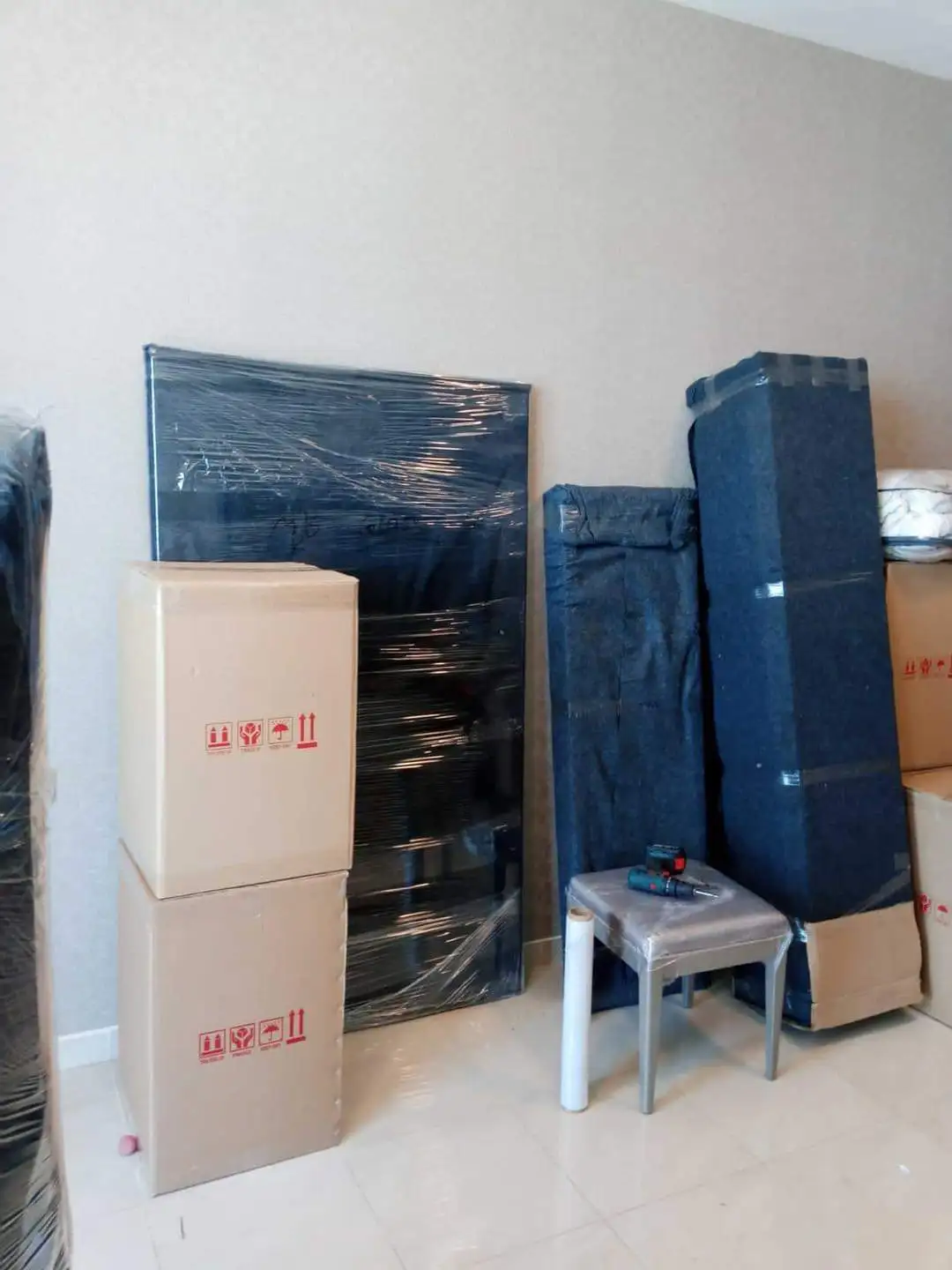
Our Deira crews carry full disassembly toolkits on every job. It's not optional here — it's expected. If you're moving into a Naif or Al Murar building, assume everything wider than 75cm needs to come apart.
Street Parking is a Fight
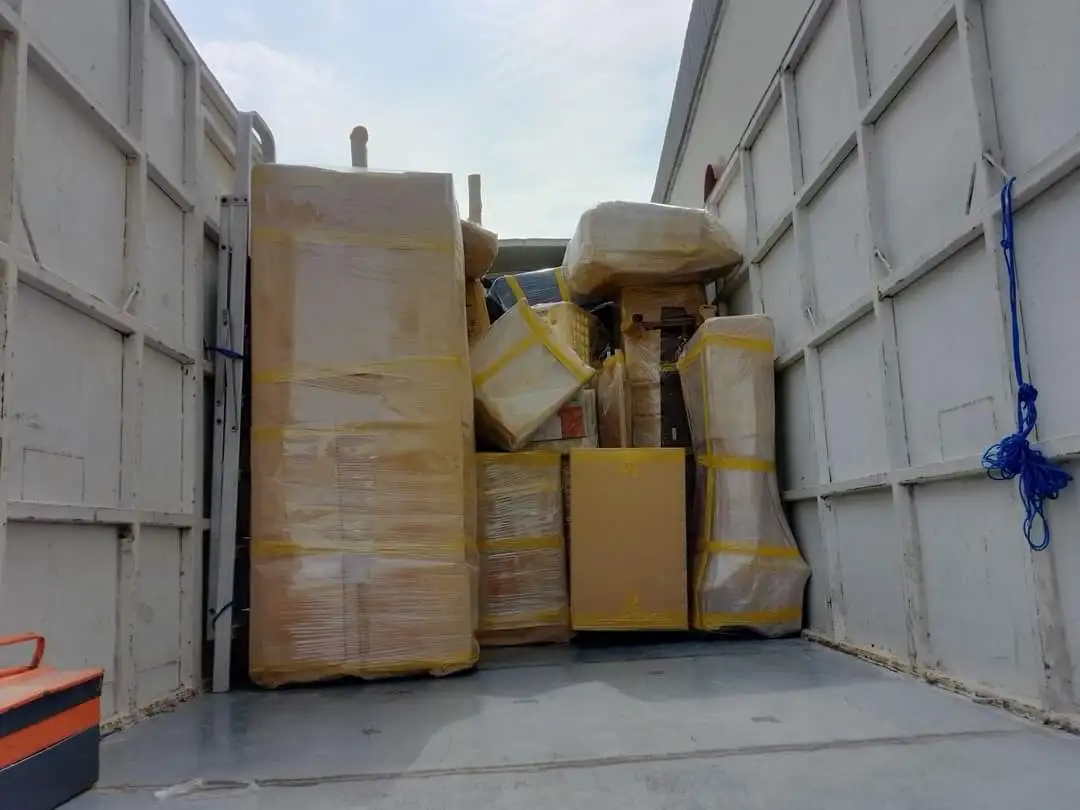
Deira's commercial streets have almost no dedicated loading zones. Double-parking a 3-ton moving truck on Al Rigga Road at 9 AM will attract honking within 30 seconds and a potential fine within 20 minutes. We schedule Deira moves for 6:00-7:00 AM start times when the streets are still manageable. By 8:30 AM, the delivery trucks for the souks start arriving, and parking becomes impossible.
For buildings on interior streets (side roads off the main commercial strips), access is better. But some of these streets are genuinely narrow — we've had situations where the truck physically couldn't turn the corner and we had to shuttle items on trolleys from 50 metres away.
No Building Management to Deal With (Sometimes)
Newer Dubai communities have building management offices, move-in permits, elevator booking systems, and damage deposits. Many Deira buildings have... a security guard and a sign-in sheet. This is both a blessing (less bureaucracy, fewer fees) and a curse (nobody coordinating elevator access, no designated move-in time slots). If your new Deira building has a building management office, consider yourself lucky and book the elevator. If it doesn't, it's first-come-first-served.
Metro Access: Deira's Hidden Advantage
The Green Line runs through Deira with stations at Al Rigga, Union, Baniyas Square, Al Ras, and Palm Deira. This is massive for anyone who works along the Metro network. A commute from Al Rigga station to DIFC takes about 25 minutes door-to-door. To Dubai Marina, about 45 minutes with a transfer at BurJuman or Union.
For anyone trying to live car-free in Dubai — which is rare but possible in Deira — the Metro plus walkable amenities (supermarkets, restaurants, clinics within 5 minutes on foot) makes it one of the few genuinely pedestrian-viable areas in the city.
The Cultural Mosaic
Deira is Dubai's most diverse district. South Asian, Middle Eastern, East African, and Filipino communities have established deep roots here over decades. The food scene reflects this — you can eat Hyderabadi biryani, Ethiopian injera, Filipino adobo, and Yemeni mandi all within a 10-minute walk.
Some people find this overwhelming. Others find it's exactly what they came to Dubai for — a genuinely multicultural experience that New Dubai's polished towers can't replicate. If you're moving from a more homogeneous community, give yourself a week to adjust to the noise levels, the density, and the sheer volume of activity on the streets.
What's Coming: Deira's Transformation
Deira isn't going to stay this affordable forever. Several mega-projects are reshaping the area:
- Dubai Islands (formerly Deira Islands): A massive waterfront development off the Deira coastline with hotels, residences, and retail. Check our Dubai Islands guide for details.
- Deira Enrichment Project: A government initiative to revitalise historic Deira with improved infrastructure, heritage preservation, and mixed-use development.
- Waterfront Market: The relocated fish and produce market on the Deira corniche — a modern facility replacing the old fish souk.
These developments will likely push Deira rents upward over the next 3-5 years. Moving in now means getting the lowest prices before the area gentrifies.
Who Should Move to Deira
- Budget-conscious singles: Studio rents starting at AED 18,000 are the lowest in Dubai proper. If you're saving aggressively or sending money home, Deira lets you keep more of your salary.
- Small families on a tight budget: A 2-bed at AED 50,000 is genuinely affordable by Dubai standards.
- Business owners: If you run a retail or trading business in Deira (and thousands do), living five minutes from your shop saves time and fuel.
- Food lovers: Seriously. If you prioritise eating well and cheaply, Deira has no competition in Dubai.
Who shouldn't? Anyone who needs a gym, pool, and modern building amenities. Most Deira buildings don't have them. If that matters to you, look at International City or newer Dubai communities that offer those facilities at slightly higher rents.
Moving Costs for Deira
Despite the logistical challenges, Deira moves are generally affordable because the distances are short (most people moving to Deira are coming from other old Dubai areas):
- Studio: AED 700–1,100
- 1-Bedroom: AED 1,100–1,800
- 2-Bedroom: AED 1,800–2,800
Add AED 200-400 if you're in a building with particularly difficult access (no elevator, narrow stairs, or far street parking). Our apartment movers include furniture wrapping and disassembly at no extra charge for Deira moves — we know it's going to be needed.
Frequently Asked Questions
What's the cheapest area to rent in Deira?
Naif is the cheapest sub-area within Deira, with studios starting from AED 18,000 per year. Al Murar is slightly higher at AED 20,000+. These are older buildings with basic finishes but functional apartments. Port Saeed commands the highest Deira rents (1-beds from AED 45,000) due to newer towers and Creek views.
Is Deira safe to live in?
Yes. Deira is one of the most densely populated areas in Dubai, which means streets are active well into the night with shops and restaurants open late. The UAE's overall crime rate is among the lowest globally. Al Rigga and Port Saeed are particularly well-lit and patrolled. Naif can feel chaotic during business hours due to trading activity, but that's commercial hustle, not danger.
How far is Deira from Downtown Dubai?
Deira is approximately 12-18 minutes from Downtown Dubai by car (via Al Maktoum Bridge or Business Bay Crossing) during off-peak hours. By Metro, the Green Line connects to BurJuman where you transfer to the Red Line — total journey about 25 minutes from Al Rigga station to Burj Khalifa/Dubai Mall station.
Does Deira have Metro access?
Yes. The Dubai Metro Green Line has five stations in Deira: Al Rigga, Union, Baniyas Square, Al Ras, and Palm Deira. Union station also connects to the Red Line, giving access to the entire Metro network. This makes Deira one of the best-connected affordable areas in Dubai for public transport.
Moving to Deira? Our crews know these buildings — the tight corridors, the tiny lifts, the streets where you have to park around the corner. Get a free moving estimate and we'll plan the disassembly, the lift runs and the truck parking around your building, 1.2-metre corridor included.