Studios for AED 37,000 a Year — and a Metro Is Coming
International City has always been Dubai's value play. Studios for AED 37,000. One-bedroom apartments for AED 50,000–55,000. No other master-planned community in the city comes close on price. But for years, the trade-off was isolation — no metro, limited buses, and a 30-minute drive to anything happening.
That equation is about to flip. Three Blue Line Metro stations are planned for International City and the surrounding area, connecting it directly to Dubai Creek Harbour, Festival City, Mirdif, and DSO. Properties within walking distance of future stations have already seen 20–25% price appreciation. Smart money is already here.
We've been moving families in and out of International City for years. The logistics are different from anywhere else in Dubai — the cluster layout, the narrow access roads, the lack of centralised building management. Here's what you actually need to know.
Understanding the Cluster System
International City isn't built like a typical Dubai community. It's organised into themed clusters — Persia, China, England, France, Italy, Spain, Morocco, Russia, Greece, and a few more. Each cluster is a group of low-rise buildings (4–6 floors) with ground-floor retail and apartments above.
The clusters aren't just for show. Each one has a slightly different feel:
- China Cluster — closest to Dragon Mart, highest foot traffic, noisiest. Studios from AED 37,000.
- Persia Cluster — slightly quieter, popular with families. One-beds from AED 48,000.
- England Cluster — near the community park, good for runners and dog owners.
- France Cluster — central location, close to the central roundabout.
- Morocco Cluster — edge of the community, quieter but further from retail.
The cluster you choose affects everything from your daily commute to how easy it is for your movers to park. More on that below.
Move-Day Logistics: What Makes International City Different
Most Dubai communities have a single developer managing building access, permits, and elevator bookings. International City doesn't work that way. Individual buildings are owned by different landlords, and there's no central app like Sakani or My Nakheel.
What that means for your move:
No Formal Permit System (Usually)
Most International City buildings don't require a formal move-in permit. You coordinate directly with the building watchman or your landlord. Some newer buildings in the Phase 2 area have started requiring basic documentation, but it's nothing like the process in Emaar or Nakheel communities.
That said, tell your building's security guard your move date at least two days ahead. It's courtesy, and it ensures the service elevator (if there is one) is available.
Parking Is the Real Challenge
International City's roads were designed when the community was half-occupied. They're narrow. Street parking fills up by 6 PM. And our moving truck needs to park close to the building entrance for efficiency.
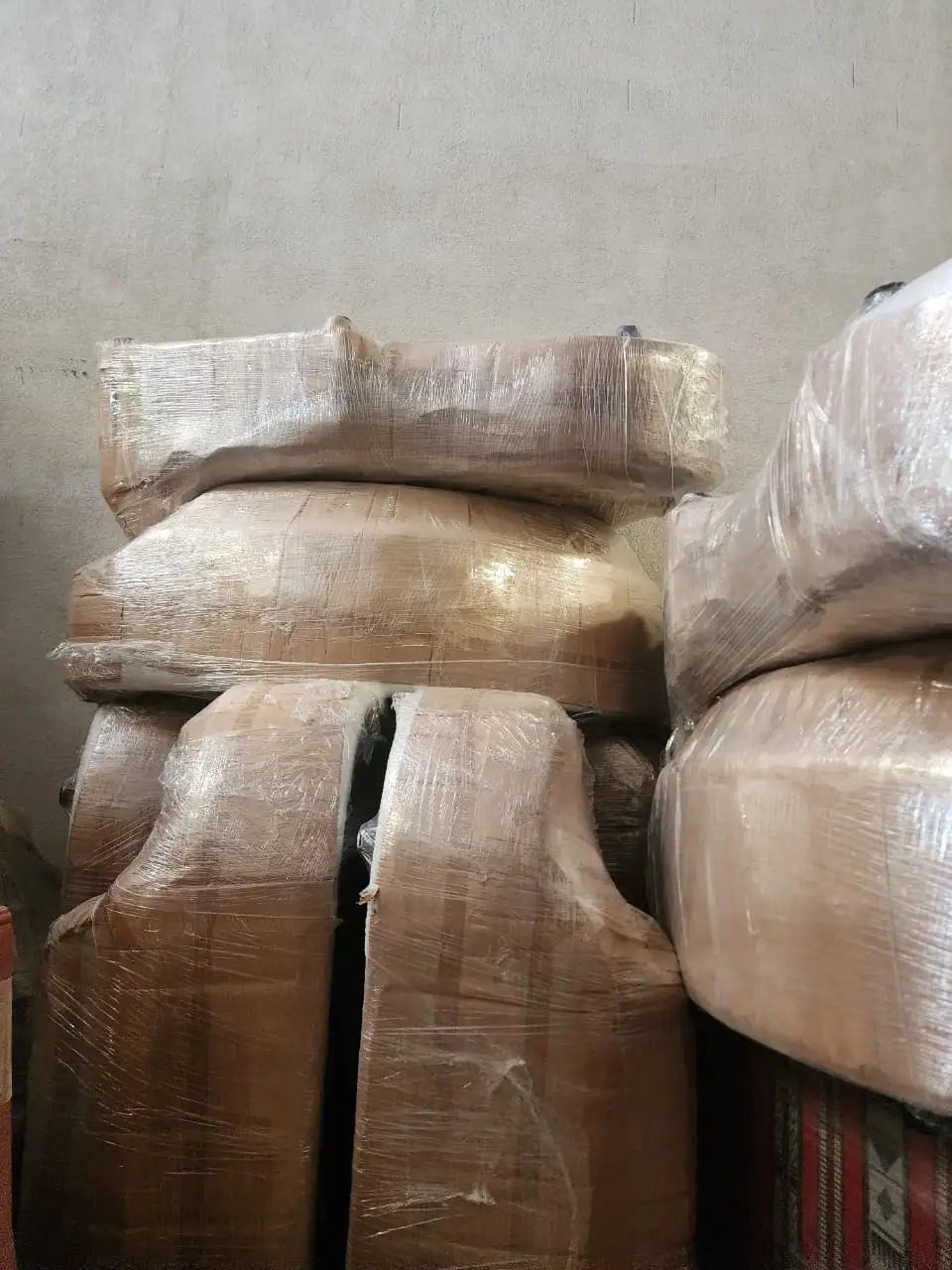
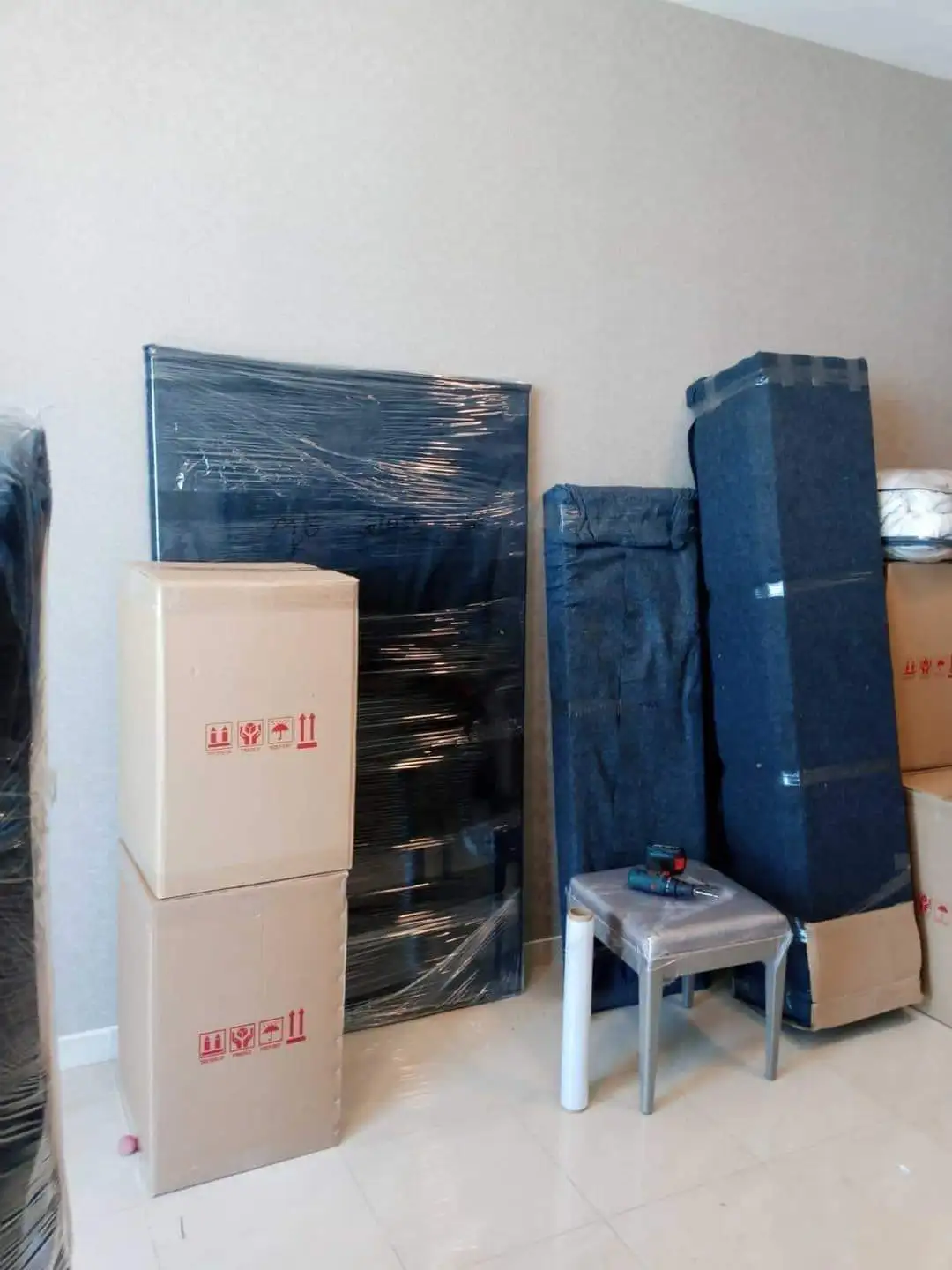
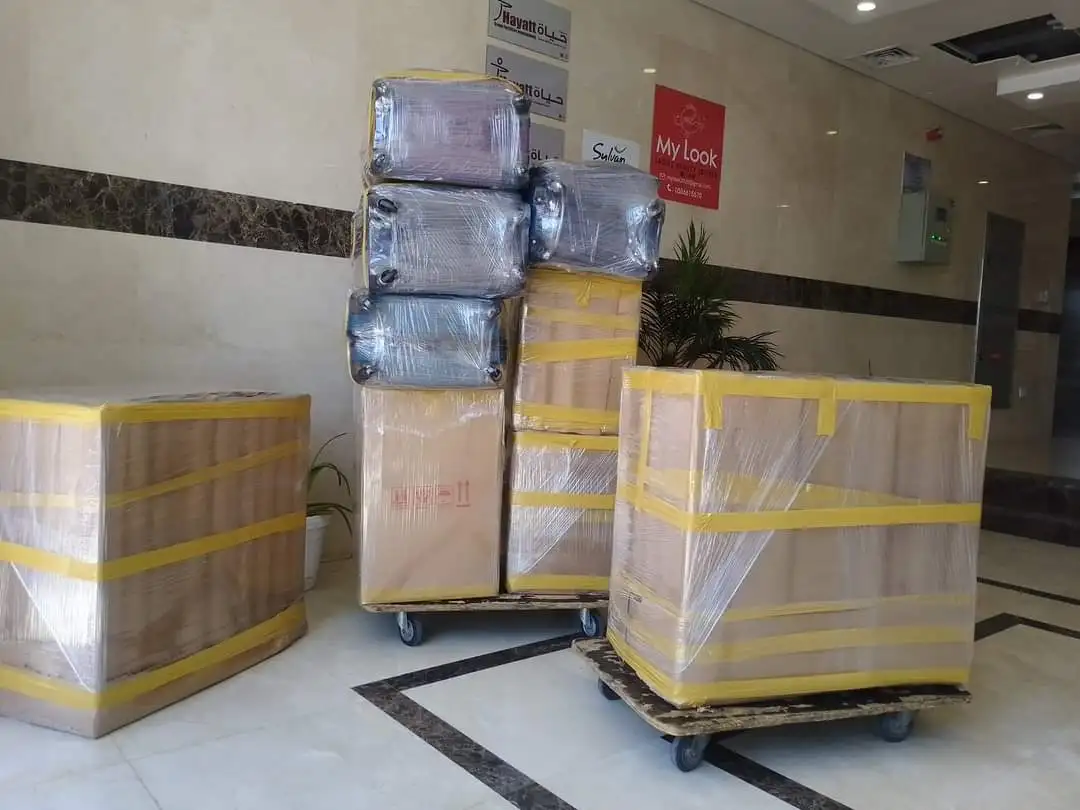
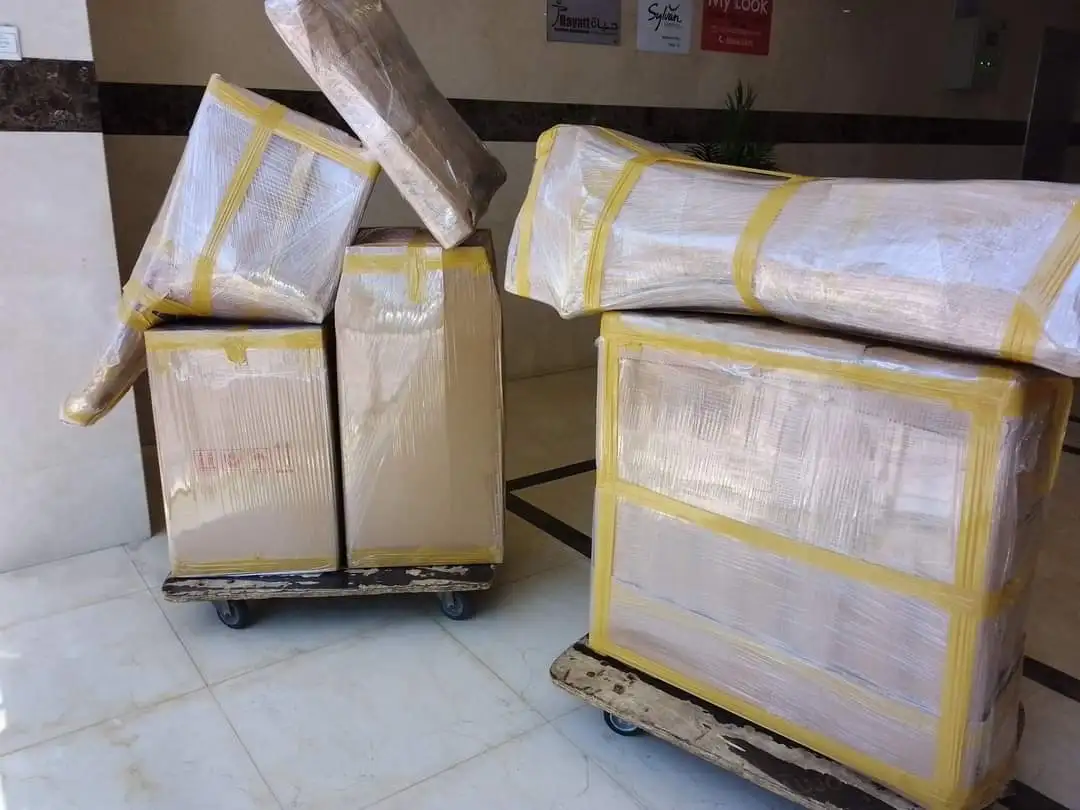
Our solution: we schedule International City moves for early morning — 7 AM starts. By that hour, parking is available and the roads are clear. A studio or one-bedroom move takes about 2–3 hours. Two-bedroom apartments need 3–4 hours. We aim to be loaded and gone before the midday congestion hits.
No Service Elevators in Older Buildings
Many Phase 1 buildings have only two standard elevators and no dedicated service elevator. That means your furniture shares the elevator with residents. We use padding blankets on the elevator walls and keep one of our team at the elevator door to manage traffic. It works, but it's slower — add about 30 minutes compared to a building with a service elevator.
What It Costs to Move In International City
International City is one of the most affordable areas to move within. Short distances, low-rise buildings, and the absence of expensive building permits keep costs down.
- Studio move: AED 800–1,200
- 1-bedroom: AED 1,200–1,600
- 2-bedroom: AED 1,600–2,200
These prices include two movers, a truck, and basic protection materials. Add AED 300–500 for professional packing services on a studio. Moving between clusters within International City? That's the cheapest move in Dubai — often under AED 800 for a studio since the driving distance is minimal.
Dragon Mart: Your New Furniture Store
Dragon Mart isn't just close to International City — it's essentially next door. The world's largest Chinese trading hub has everything from flat-pack furniture to kitchen appliances to bedding. After a move, most of our International City clients make a Dragon Mart run within the first week.
And because we're already in the area, we offer furniture delivery from Dragon Mart directly to your new apartment. Buy what you need, call us, and we'll get it upstairs. Beats trying to fit a bookshelf in the back of a sedan.
The Blue Line Metro: How It Changes Everything
The Dubai Metro Blue Line is the single biggest event in International City's history. Three stations will serve the area, connecting residents to Dubai Creek Harbour, Festival City, Mirdif, and DSO without a car.
Right now, commuting from International City means driving. The main exits onto Emirates Road and Al Awir Road get congested during peak hours — a trip to Downtown that takes 20 minutes at 10 AM becomes 45 minutes at 6 PM. The metro eliminates that variability.
Property values are already responding. According to market data, International City apartments within a 10-minute walk of future Blue Line stations have appreciated faster than those deeper inside the clusters. If you're renting with an eye toward eventually buying, proximity to the future stations matters.
Daily Life in International City
Groceries are cheap. You'll find multiple small supermarkets in every cluster — Baqala-style shops with competitive prices, plus a larger West Zone and Carrefour at the CBD (Central Business District) area. The community's restaurant scene leans toward South Asian and Filipino cuisine, with genuinely good options at prices you won't find in JBR.
The community park between England and France Clusters has a running track, playground, and some green space. It's not Mushrif Park, but it gives families a place to go in the evenings.
For schools, the nearest options are in nearby communities — GEMS in DSO, schools in Al Warqa, and the upcoming institutions in Mirdif. Most families with school-age children factor in a 15–20 minute school bus ride.
International City vs Other Budget Areas
| Factor | International City | Discovery Gardens | Dubai South |
|---|---|---|---|
| Studio Rent | AED 37K–42K | AED 40K–48K | AED 35K–42K |
| Metro Access | Blue Line (3 stations coming) | Red Line (connected now) | Expo Line (1 station) |
| Retail | Dragon Mart, cluster shops | Ibn Battuta Mall | Limited |
| Community Size | Large (20,000+ units) | Medium | Growing |
| Construction Disruption | Metro construction ongoing | Minimal | Ongoing development |
Discovery Gardens has the metro advantage today, and its proximity to Ibn Battuta Mall is a plus. Dubai South is cheaper but isolated — the Expo Line has a single station, and amenities are still sparse. International City wins on the combination of price, community size, and future metro connectivity. For more on affordable options, see our guide on saving money on your UAE move.
Who Should Move to International City
Budget-conscious singles and young couples who prioritise rent savings over nightlife. Families who want a starter apartment while saving for a villa. Investors looking for 8–9% rental yields. Anyone who works in DSO, Academic City, or the airport corridor and wants a short commute.
It's not for everyone. If walkable cafes and a marina view matter to you, look elsewhere. But if you want to keep your rent under AED 55,000 for a one-bedroom and ride the metro to work in three years? International City is the smartest move in Dubai right now.
Planning your move? Get a free estimate from SAMA Movers — we know every cluster, every parking trick, and every shortcut in International City.
Frequently Asked Questions
Do I need a move-in permit for International City Dubai?
Most International City buildings don't require a formal move-in permit. You'll typically coordinate directly with your building's security guard or landlord. Some newer Phase 2 buildings have introduced basic move-in documentation, but it's far simpler than the process in Emaar or Nakheel communities.
How much does it cost to move a studio in International City?
A studio move in International City costs AED 800–1,200 with professional movers. This includes two movers, a truck, and basic furniture protection. Moving between clusters within International City is even cheaper — often under AED 800 since the distance is minimal.
Which International City cluster is best for families?
Persia Cluster and England Cluster are the most family-friendly. Persia is slightly quieter with a residential feel, while England Cluster is near the community park with a playground and running track. Both are set back from the busier commercial areas around China Cluster and Dragon Mart.
When will the Blue Line Metro open in International City?
The Dubai Metro Blue Line is expected to open around September 2029. International City will get three stations connecting it to Dubai Creek Harbour, Festival City, Mirdif, and DSO. Construction is already underway, and properties near future stations have appreciated 20–25% ahead of the opening.