You Can Enter on Your Passport. Staying Is the Complicated Part.
British passport holders get 90 days visa-free entry to the UAE. That's generous, and it means most Brits land in Dubai before their residence paperwork is sorted. But those 90 days go fast when you're hunting for an apartment, opening a bank account, shipping household goods from Manchester, and figuring out whether your John Lewis sofa will fit through a Dubai apartment doorway. Spoiler: it probably won't.
Having helped hundreds of British families settle in Dubai, here's what actually matters — and what the relocation agencies charge £500 to tell you.
Shipping Your Belongings: Sea Freight vs Air Freight
Most British expats ship the bulk of their belongings by sea and bring essentials as air freight or excess baggage. Here's what the numbers look like:
| Method | Cost | Transit Time | Best For |
|---|---|---|---|
| 20ft container (sea) | £3,000–£6,000 | 20–25 days | Full household (3+ bed) |
| Shared container (sea) | £800–£2,500 | 25–35 days | Partial loads, 1-2 bed flats |
| Air freight | £8–15 per kg | 2–3 days | Essentials, documents, valuables |
| Excess baggage (Emirates) | £20–40 per kg | Same day | Last-minute items under 50kg |
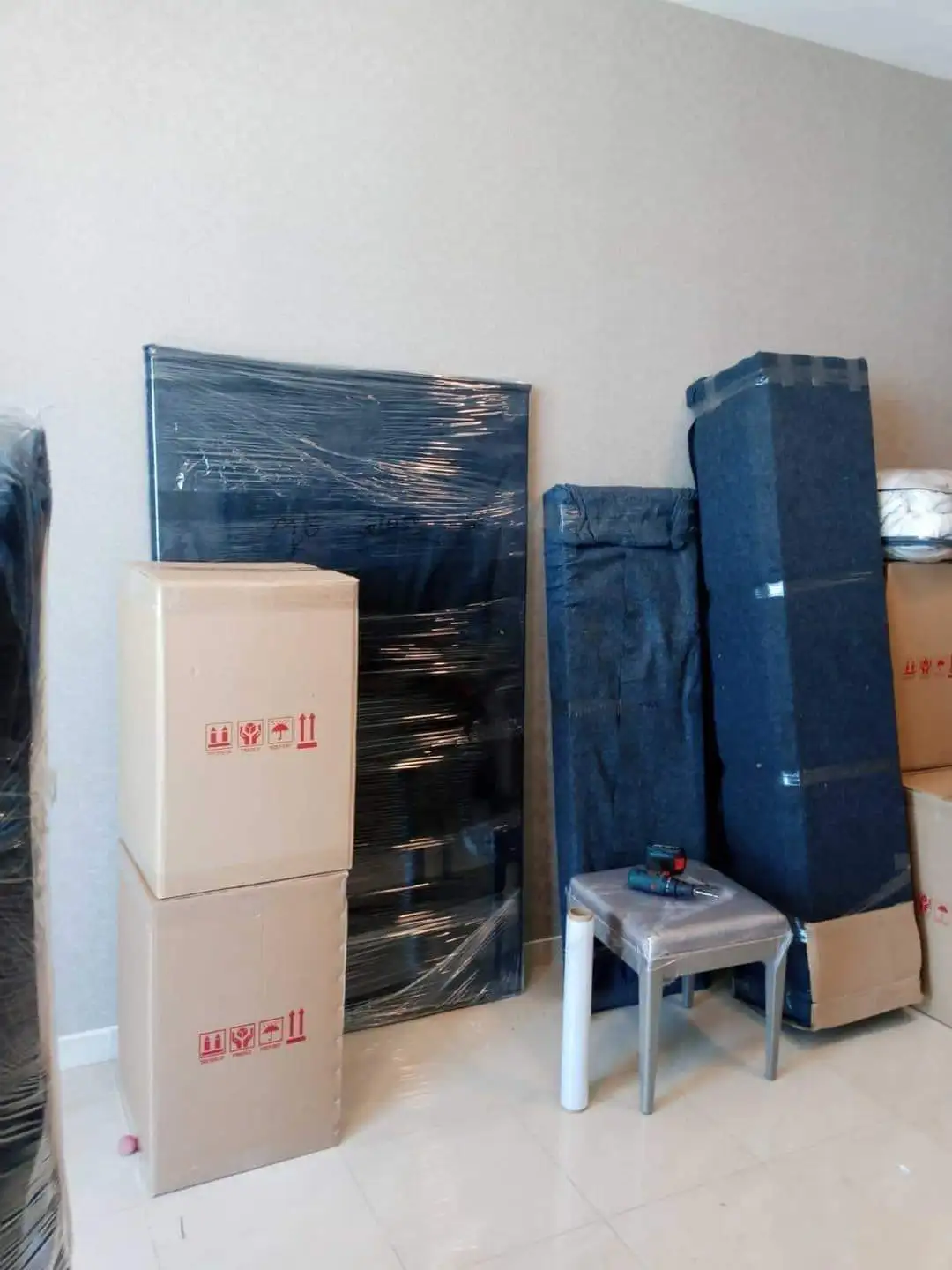
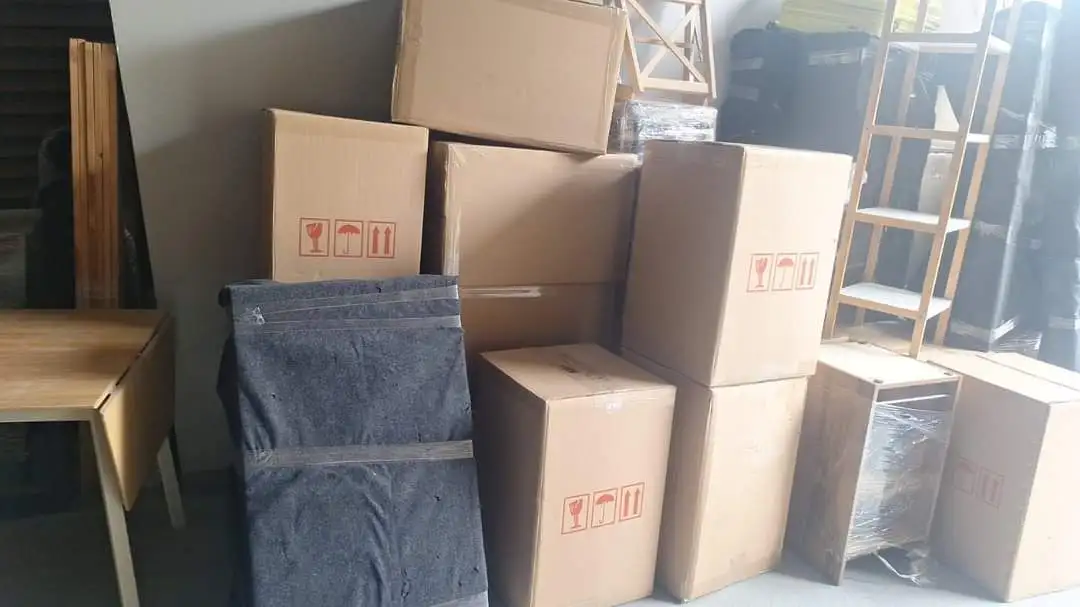
Sea freight from the UK to Jebel Ali Port takes 20-25 days via the standard route. Use a BAR-registered remover (British Association of Removers) — they follow international packing standards, and cheap quotes from non-BAR companies often come with sub-par packing. Marine cover varies from one remover to the next and should never be assumed: ask in writing what cover, if any, yours holds, and arrange your own marine insurance for anything valuable or irreplaceable, your grandmother's china included.
So what should you ship and what should you buy new? UK furniture — particularly sofas, beds, and dining sets — is often too large for Dubai apartments. A standard 3-seater from DFS won't fit through most apartment entrance halls here. Measure your Dubai doorways before shipping anything bulky. Electronics work fine — the UAE runs on 220V and UK three-pin plugs fit with a simple adaptor.
UAE Customs: What's Duty-Free and What's Not
Used personal effects are duty-free — but only if they arrive AFTER your residence visa is stamped. This is the timing trap that catches many Brits. If your container arrives before you have a valid residence visa, you'll pay 5% customs duty plus 5% VAT on the declared value.
New items are always taxed at 5% duty + 5% VAT on the CIF value (cost, insurance, freight). So that brand-new Dyson you packed? You're paying 10% on top. Prohibited items include pork products, certain medications (codeine-based painkillers need pre-approval from the Ministry of Health), and anything that could be considered pornographic — which UAE customs interprets broadly.
Pro tip: keep your shipping inventory detailed and realistic. Customs officers in Jebel Ali know what a used Ikea KALLAX unit is worth. Declaring inflated values wastes their time and yours.
Visa Options for British Expats
Your 90-day visa-free entry is for visiting. To live and work, you need one of these:
- Employment visa: Sponsored by your employer — the most common route. Your company handles the process, but it takes 2-4 weeks from medical to Emirates ID.
- Investor visa: Requires a company setup in a free zone or mainland — costs AED 15,000-50,000 depending on the zone.
- Golden Visa (10-year): For property owners (AED 2M+ property), senior executives, or specialised professionals. Read our Golden Visa relocation guide for the full breakdown.
- Remote work visa (1-year): For those keeping their UK employer — requires proof of £5,000+/month income.
One thing that surprises most Brits: your visa is tied to your employer. If you leave your job, you have 30 days of grace before your visa is cancelled. Plan accordingly — especially before signing a 12-cheque tenancy contract.
The UK Driving License Advantage
Here's genuinely good news. The UK is one of about 35 countries whose driving licenses convert directly to a UAE license at any RTA service centre. No lessons, no road test, no eye-test drama. Bring your UK license, passport copies, Emirates ID, two photos, and AED 870. You'll walk out with a UAE license the same day.
Compare this to most other nationalities who need 40+ driving lessons at AED 50-80 each. It's one of the few bureaucratic wins for Brits in Dubai.
Banking: Open Early, Bring Patience
UAE banks have tightened their KYC (Know Your Customer) requirements significantly. Opening an account as a new resident now takes 1-3 weeks and requires: Emirates ID, passport, visa page, salary certificate, and sometimes 3 months of UK bank statements.
Start the process within your first week. You'll need a local bank account for your Ejari registration, DEWA deposit (AED 2,000 for apartments), and — critically — for your landlord's rent cheques. Most landlords still require post-dated cheques, though the market is gradually shifting toward monthly payment options.
HSBC Expat and Emirates NBD have the smoothest onboarding for UK nationals. Avoid applying to more than two banks simultaneously — multiple applications can trigger compliance flags.
HMRC: You've Left the Country, Not the Tax System
The UAE has no income tax. But HMRC doesn't let go easily. Whether you're tax-resident in the UK for a given year depends on the Statutory Residence Test (SRT) — it's not as simple as "I live in Dubai now."
Key points most Brits get wrong:
- If you spend 183+ days in the UK in any tax year, you're UK tax resident regardless of where you "live"
- If you have a UK home available, the threshold drops to just 16 days
- Capital gains on UK property remain taxable even as a non-resident
- UK pensions may be taxable depending on the type and the Double Taxation Agreement
Get proper tax advice before your move. The cost of an international tax consultant (£500-1,500) is nothing compared to an unexpected HMRC bill two years later.
Healthcare: From NHS to Private
Dubai requires all residents to have health insurance — your employer must provide it by law. But the coverage varies wildly. A basic employer plan might have AED 5,000 annual limits and no dental. If you're used to NHS walk-in access, prepare for a different system: referrals, pre-approvals, and co-pays ranging from AED 0 to AED 100 per visit.
Mediclinic and King's College Hospital Dubai are popular with British expats for the familiar approach. Register with a GP within your first month — don't wait until you're sick.
Schools: British Curriculum Is Everywhere
Dubai has more British curriculum schools than most UK cities. GEMS Wellington, Jebel Ali School, Dubai British School — the options are extensive. Fees range from AED 15,000/year (budget British schools) to AED 95,000/year (premium). All schools are rated by KHDA (Knowledge and Human Development Authority) — check ratings before touring.
Admissions for September intake usually open in January. If you're moving mid-year, call schools directly — they sometimes have spaces, especially in less popular year groups.
Where British Expats Tend to Live
Brits in Dubai cluster in specific communities based on budget and lifestyle:
- Dubai Marina / JBR: Singles and young couples. Walking distance to beach and nightlife. Studios from AED 55K, 1-beds from AED 80K.
- Arabian Ranches: Families with school-age kids. Villa community with a British village feel. 3-beds from AED 130K. See our Arabian Ranches moving guide.
- Dubai Hills: The newer alternative to Arabian Ranches. Closer to Downtown, more amenities opening regularly.
- JVC / JVT: Budget-conscious families. Newer buildings, good value. 2-beds from AED 60K.
The Actual Move: Getting Settled in Dubai
Once you land, here's the rough timeline:
- Week 1: Medical test, Emirates ID application, start apartment hunting
- Week 2: Sign tenancy contract, register Ejari, apply for DEWA connection
- Week 3: Open bank account, convert driving license, enrol children in school
- Week 4-5: Receive shipped belongings, schedule move-in with professional movers
SAMA Movers partners with UK freight forwarders for door-to-door service — we handle the Dubai side from Jebel Ali port clearance to delivery and unpacking in your new apartment or villa. Get a quote for the local delivery and setup.
Frequently Asked Questions
How much does it cost to ship belongings from the UK to Dubai?
A full 20ft container from the UK to Dubai costs £3,000–£6,000 by sea freight, taking 20-25 days. Shared containers run £800–£2,500 for smaller loads. Air freight costs £8–15 per kilogram for essentials. Use a BAR-registered removal company for its packing standards, and arrange your own marine insurance rather than assuming the remover's quote includes it.
Can I convert my UK driving license in Dubai?
Yes — the UK is on the UAE's direct conversion list. Visit any RTA service centre with your UK license, Emirates ID, passport copies, and two photos. The conversion costs AED 870 and is typically completed the same day. No driving test or lessons required.
Do I still pay UK tax if I move to Dubai?
It depends on the Statutory Residence Test. If you spend fewer than 16 days in the UK (with a UK home available) or fewer than 183 days (without), you're generally non-resident for tax. But capital gains on UK property remain taxable regardless. Consult an international tax adviser before relocating.
Are my personal belongings duty-free when shipping to Dubai?
Used personal effects are duty-free — but only if they arrive after your UAE residence visa is stamped. If your shipment clears customs before your visa is active, you'll pay 5% duty plus 5% VAT on the declared value. Time your shipment to arrive after visa processing is complete.