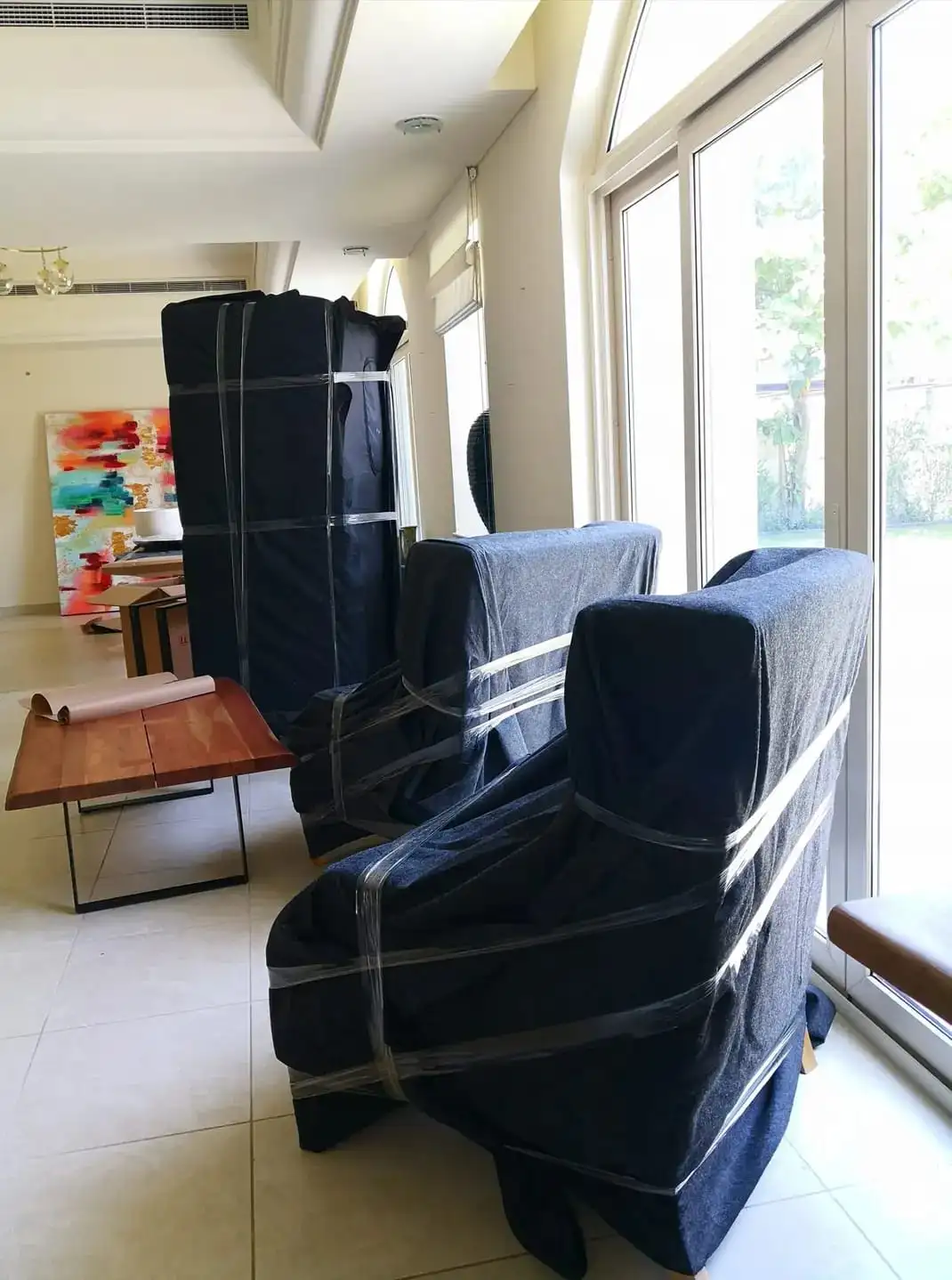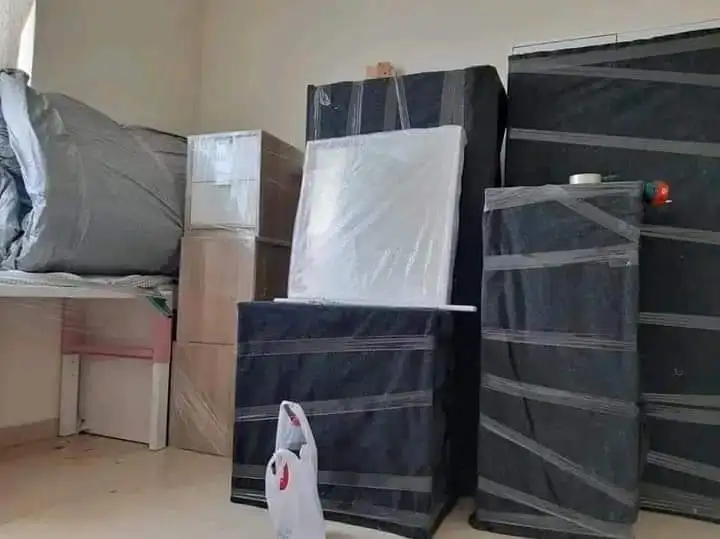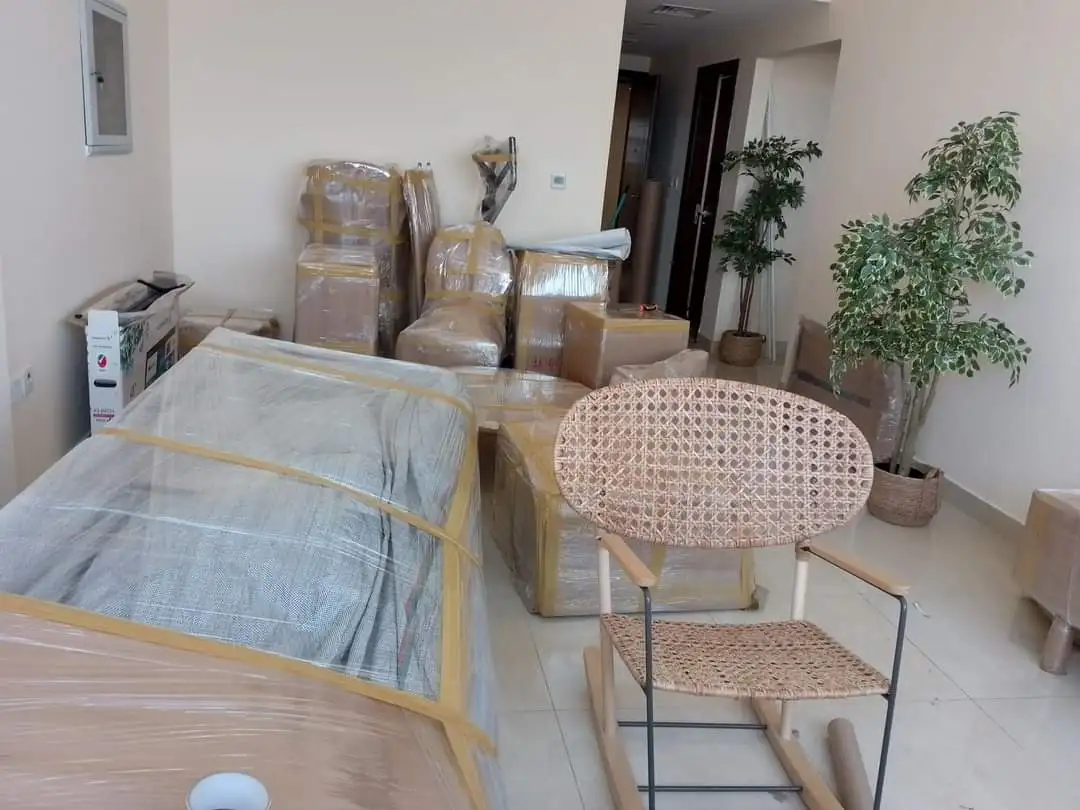
One Service Elevator. Fifty-Three Families. One Weekend.
We showed up at a newly handed-over tower in Creek Harbour on a Thursday morning. Thirty-eight other moving trucks were already in the basement car park. The service elevator had a queue list taped to the wall — hand-written, because the building management system wasn't operational yet. Our slot was at 2:15 PM. The family whose furniture was in our truck had been waiting since 8:00 AM.
Welcome to a mass handover. Dubai is in the middle of the largest single-year property delivery wave in its history — an estimated 120,000 new residential units being handed over to owners across dozens of communities. That means hundreds of thousands of people trying to furnish, fit out, and move into brand-new apartments and villas, often in buildings where the paint is still drying.
Why Mass Handovers Create a Moving Nightmare
When a developer hands over a tower, they typically release keys to all buyers within a 2–4 week window. A 300-unit tower might complete key collection in 3 weeks. Most owners want to move in immediately — they've been paying mortgage instalments for 2–3 years while waiting for completion. The result:
- Service elevator gridlock: One or two service elevators serving 200+ families all trying to move furniture in the same month. Wait times of 3–5 hours per move are common in the first weeks.
- Parking chaos: Moving trucks, fit-out contractor vans, appliance delivery vehicles, and DEWA technician cars all competing for the same basement parking. Some buildings had to implement hourly parking slot allocation.
- Unfinished common areas: Lobbies still getting final touches. Corridors with protective film on the floors. Hallways cluttered with construction materials from fit-out contractors working on other units. Your moving crew is navigating around active work zones.
- Developer management still learning: New building management teams who haven't processed a single move before are suddenly processing 30 per week. Systems aren't tested, processes aren't refined, and staff are overwhelmed.
The Handover-to-Move-In Timeline Nobody Tells You
Buyers collect keys and want to sleep in their new home that weekend. Reality says otherwise. The actual timeline from key collection to comfortable move-in:
- Week 1–2: Snagging inspection. Walk the apartment with a snagging company (AED 500–1,500 depending on unit size). Document every defect — cracked tiles, misaligned doors, plumbing issues, paint imperfections. Submit to the developer. Our snagging guide covers this in detail.
- Week 2–4: Developer fixes. The developer's contractor addresses snagging items. Good developers complete fixes in 2 weeks. Others take 6+ weeks. Don't move furniture in before snagging fixes are done — you don't want painters working around your sofa.
- Week 2–3: DEWA activation. Apply for DEWA connection as soon as you have the title deed or Oqood. Processing takes 2–5 business days. But in mass-handover buildings, DEWA may be activating 50+ units in the same tower simultaneously. Allow extra time.
- Week 2–4: Internet setup. du or Etisalat need to provision the building's fibre infrastructure. In new towers, this sometimes isn't complete at handover. Wait times of 2–4 weeks for internet activation in newly handed-over buildings are normal. Get a 5G SIM hotspot as backup.
- Week 3–5: Fit-out (if applicable). If you're installing curtains, kitchen upgrades, closet systems, or any customisation, this happens before the furniture move.
- Week 4–8: Actual move-in. Once snagging is resolved, DEWA is active, and fit-out is done. This is when SAMA shows up with the truck.
Trying to compress this into 2 weeks? You'll be living in an apartment with construction dust, no internet, potential plumbing issues, and neighbours drilling into walls at 8:00 AM. Budget 4–6 weeks minimum from key collection to comfortable living.
The Smart Strategy: Wait 6–8 Weeks After First Handovers
Here's the advice we give every client buying off-plan: don't be the first to move in.
The first wave of residents are the guinea pigs. They discover the building's teething issues — the fire alarm that triggers at 3:00 AM, the hot water system that can't handle 50 simultaneous showers, the elevator firmware that crashes under load. They sit in service elevator queues for hours. They deal with a building management team still figuring out their own systems.
Move in 6–8 weeks after the first handovers begin. By then:
- The elevator queue has cleared. You might get same-day service elevator access instead of waiting 3 days.
- Building systems are tested and largely debugged.
- Common areas are finished — no more construction materials in hallways.
- Your neighbours' snagging reports have flagged unit-wide issues (plumbing, electrical, AC) that the developer has addressed across all units, not just the ones that complained.
- Internet infrastructure is fully activated. No waiting for du/Etisalat to commission additional capacity.
The cost of waiting? A few extra weeks in your current home or a short-term rental. The cost of rushing? Frustration, delays, and a move that takes twice as long as it should. Budget AED 3,000–8,000 for 4–6 weeks of temporary accommodation and consider it an investment in your sanity.
New Community Essentials: What Won't Be There Yet
Brand-new communities — especially large master developments — hand over residences before the retail and amenity infrastructure is complete. Expect:
- No supermarket for 3–12 months. Talabat, Noon Minutes, and InstaShop will be your grocery lifeline. Some developers arrange temporary pop-up convenience stores, but selection is limited.
- No pharmacy nearby. Stock up on regular medications before moving in. The nearest pharmacy might be a 15-minute drive.
- Limited restaurant options. Food delivery apps work fine, but the lack of a neighbourhood café or dinner spot can feel isolating.
- No community gym or pool. These often open 3–6 months after residential handover. Plan for a temporary gym membership elsewhere.
- Construction noise and dust. Adjacent buildings and community infrastructure will still be under construction. Expect drilling, heavy machinery, and construction traffic during daylight hours for 12–24 months after your building's handover.
This isn't a dealbreaker — just a reality check. New communities mature quickly in Dubai. But the first residents pay a lifestyle tax in exchange for being first through the door.
Major Handover Clusters to Watch
The biggest delivery concentrations this year:
- Dubai Creek Harbour (new phases): Multiple Emaar towers delivering thousands of units. Creek Harbour is already partially occupied, so some infrastructure exists — but the new phases will stress the existing elevator and parking systems. See our Creek Harbour guide.
- Rashid Yachts & Marina: Emaar's massive waterfront development is in early phases of handover. Hundreds of units in multiple towers. Read the Rashid Yachts & Marina guide for move-in logistics.
- Palm Jebel Ali (early phases): Nakheel's second palm island beginning initial villa handovers. Completely new infrastructure — everything from roads to utilities is being activated for the first time. Our Palm Jebel Ali guide covers what to expect.
- Dubailand corridor: Multiple developers (Emaar, DAMAC, Nshama) delivering thousands of units across The Valley, DAMAC Lagoons extension, and surrounding communities.
- Sobha developments: Sobha Hartland 2 and Sobha One both delivering significant unit volumes. Check our guides on Sobha Hartland 2 and Sobha One.
How to Move During a Mass Handover
If you can't wait 6–8 weeks (loan payments are real, we get it), here's how to make it work:
- Book the service elevator the moment the building management opens bookings. Some buildings use online portals; others require in-person booking at the management office. Be first.
- Schedule your move for mid-week. Everyone wants to move on Thursday/Friday. A Tuesday or Wednesday move will face half the competition for elevator time and parking.
- Hire movers who've done new-building moves before. Our crews know to bring extra floor protection (new tile is easily scratched by heavy furniture), door frame padding (new paint chips on first contact), and patience for the elevator wait. SAMA's apartment moving team handles new-building moves weekly during handover season.
- Do a phased move. Move essentials first (beds, fridge, kitchen basics) in one elevator trip. Come back for the rest 2–3 days later when elevator demand is lower. Two smaller moves often complete faster than one massive move competing with 20 other families.
- Accept imperfection. Your new apartment will have construction dust. Your corridor will have protective sheeting. Your lobby might smell like paint. This is temporary. In three months, it'll feel like home.
Planning a move into a new handover? Get a free estimate and tell us the building name and expected handover date. We'll advise on the best timing based on our experience with that developer.
Frequently Asked Questions
How long after key collection can I actually move in?
Realistically, 4–8 weeks after key collection. This accounts for snagging inspection (1–2 weeks), developer repairs (2–4 weeks), DEWA activation (2–5 days), internet setup (1–4 weeks in new buildings), and any fit-out work. Rushing to move in within a week risks living with construction defects, no internet, and service elevator queues.
Why is moving into a new building harder than an existing one?
In a mass handover, 200+ families try to move in within the same month using 1–2 service elevators. Building management systems are untested, common areas may be unfinished, and infrastructure like internet may not be fully commissioned. Existing buildings have refined processes, available elevator slots, and working systems.
Should I wait before moving into a newly handed-over building?
If possible, yes — 6–8 weeks after the first handovers. By then, elevator queues are shorter, building systems are debugged, internet is fully activated, and early-resident snagging reports have prompted developer-wide fixes. The first residents absorb the teething problems. Later residents benefit from a more polished experience.
How many units are being delivered in Dubai this year?
An estimated 120,000 new residential units are scheduled for delivery across Dubai, making it the largest handover year in the city's history. Major clusters include Dubai Creek Harbour, Rashid Yachts & Marina, Palm Jebel Ali early phases, and multiple Dubailand corridor communities. This volume creates unprecedented demand for moving and fit-out services.