Your Developer Emailed "Unit Ready for Handover" — Now What?
That email is the starting gun, not the finish line. When a Dubai developer notifies you that your off-plan unit is ready, you've got roughly 30 days to complete all outstanding payments, sign the handover documents, and collect your keys. Miss that window and you risk penalties or, in some cases, losing your booking entirely.
But here's what nobody rushing to get their keys understands: moving furniture into a brand-new unit before inspecting it properly is one of the most expensive mistakes you can make. Once your sofa is sitting on that tile and your wardrobe is blocking that wall, you're not going to notice the hairline crack, the uneven grout, or the bathroom that hasn't been waterproofed properly.
The Handover Process Step by Step
Every developer runs this slightly differently, but the sequence is essentially the same whether you bought from Emaar, DAMAC, Nakheel, or Sobha.
- Final payment settlement — Clear any remaining instalments. The developer won't schedule an inspection until the full purchase price is paid, including DLD fees (4% of property value + AED 580 admin).
- DLD title deed registration — Your developer submits the transfer through the Dubai Land Department. This takes 3–7 business days. You'll receive your title deed electronically via the Dubai REST app.
- Inspection appointment — The developer schedules a walkthrough. You'll have 1–2 hours in the unit. This is where snagging happens.
- Snagging report submission — You (or your snagging company) submit a formal list of defects. The developer has a contractual obligation to fix them.
- Rectification period — The developer's maintenance team addresses the snags. This takes 2–8 weeks depending on severity and the developer's backlog.
- Key collection — Once you're satisfied (or the rectification period expires), you sign the final handover documents and receive keys and access cards.
Snagging: What You're Actually Looking For
Snagging is the inspection of a new-build unit for construction defects. Think of it as quality control that should have happened before you got the keys but often didn't. We've moved families into units where the snagging was done properly, and into units where it wasn't. The difference shows up in the first month of living there.
The Big Ticket Items
These are the defects that cost serious money if you catch them after moving in:
- Bathroom waterproofing — Run the shower for 20 minutes. Check the ceiling of the floor below (if accessible) or the walls adjacent to the bathroom for any dampness. Bad waterproofing in Dubai leads to mould within months. Fixing it after tiling means ripping everything out — AED 8,000–15,000 out of your pocket if the warranty period has passed.
- AC duct leaks — Turn the AC to maximum and hold a tissue near every vent and duct joint. If the tissue doesn't move, there's a blockage. If you hear whistling, there's a leak. District cooling in newer communities like Dubai Hills, Emaar South, and Dubai Creek Harbour means central chiller connections — make sure your unit's FCU (fan coil unit) is actually registered and getting chilled water.
- Window seals — Check for gaps around every window frame. In Dubai's summer heat, a poorly sealed window means your AC works overtime. Look for condensation between double-glazed panels — that means the seal has already failed.
- Water pressure — Run all taps simultaneously. Flushing the toilet while the kitchen tap is running should not reduce flow to a trickle. High-rise units above floor 30 are particularly prone to pressure issues.
The Details That Add Up
- Door alignment — Every door should open and close smoothly without scraping the floor or frame. Check handles and locks.
- Tile levelling — Place a marble on the floor in each room. If it rolls consistently in one direction, the floor isn't level. In kitchens and bathrooms, this means water pooling in the wrong places.
- Paint quality — Look at walls at an angle with your phone flashlight on. You'll see roller marks, drips, and uneven coats that aren't visible in normal lighting.
- Socket and switch testing — Bring a phone charger. Test every socket. Flip every switch. We've seen units where 3 out of 12 sockets weren't wired.
- Balcony drainage — Pour a bucket of water on the balcony. It should drain completely within minutes. If it pools, the slope is wrong.
Should You Hire a Professional Snagging Company?
Short answer: yes, unless you're a contractor yourself. Professional snagging inspections cost AED 800–1,500 for a studio or 1-bed, AED 1,500–2,500 for a 2-bed or larger, and AED 2,000–3,500 for villas and townhouses. They bring thermal cameras (to detect moisture behind walls), digital levels, and the experience of having inspected hundreds of similar units.
A good snagging company typically finds 50–150 defects in a new-build unit. That's not unusual — it's the reality of mass construction in Dubai's development cycle. The question is whether those defects get fixed before you move in or after, when fixing them means working around your furniture.
Developer Rectification: How Long It Actually Takes
On paper, developers commit to fixing all snags within 30 days. In practice:
- Emaar — Generally responsive, 2–4 weeks for cosmetic issues, 4–6 weeks for structural items. They have a dedicated post-handover team.
- DAMAC — Slower, typically 4–8 weeks. Follow up aggressively after the first two weeks or things stall.
- Sobha — Mid-range, 3–5 weeks. Their finishing quality tends to be higher out of the box, so fewer critical snags.
- Nakheel — Variable by project. Palm Jumeirah properties get faster attention than suburban developments.
Keep a written log of every follow-up. Email, not WhatsApp. You need a paper trail if things end up at RERA.
DEWA Activation for New Units: It's Different From Transfers
If you're coming from a rental where you had an existing DEWA connection, you know the transfer process. New off-plan units work differently.
For new DEWA connections, you need your title deed (not a tenancy contract) and your Emirates ID. The activation fee is AED 2,110 for apartments and AED 4,110 for villas, which includes a refundable security deposit. Apply through the DEWA app or website — don't go to the service centre unless the online process fails.
District-cooled communities (Dubai Hills, Creek Harbour, DAMAC Hills) require a separate registration with the district cooling provider — usually Empower or National Central Cooling. That's an additional AED 2,000–3,000 deposit and takes 3–5 business days to activate.
Ejari for New Properties: The PIN System
If you're an investor planning to rent out your new unit, you'll register the tenancy via Ejari. New properties use a Property Index Number (PIN) instead of an existing Ejari reference. Your developer provides the PIN, and it links to the DLD database. Make sure the developer has registered the building with Ejari before you try to list — some newly handed-over buildings take weeks to appear in the system.
When to Actually Schedule Your Movers
This is where we come in. Based on hundreds of off-plan move-ins we've handled, here's our recommendation:
Do not schedule movers until snagging rectification is complete.
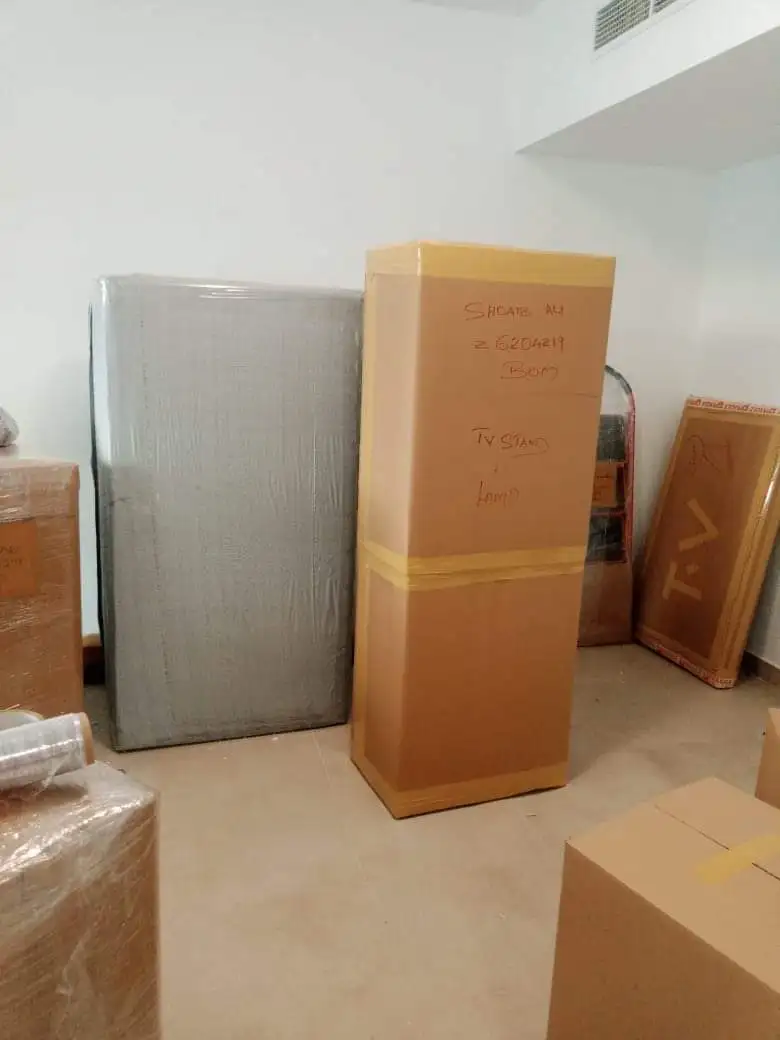
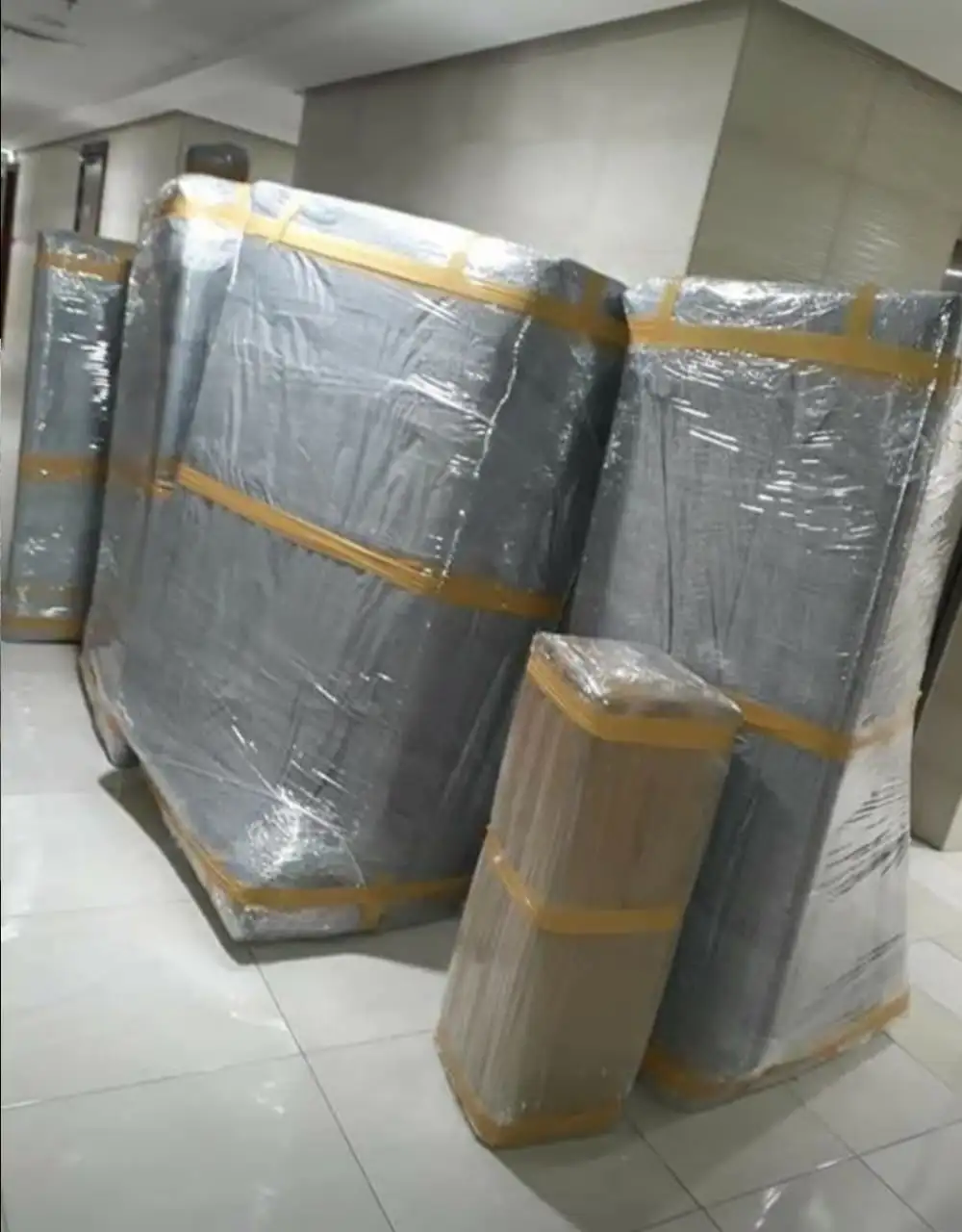
Moving a 2-bed apartment's worth of furniture into a unit that still has painters, plumbers, or electricians coming in and out is a recipe for damage. Paint splatters on your sofa. Tools scratching your dining table. Workers needing access to the wall behind your bookshelf.
The ideal timeline:
- Handover inspection → Day 1
- Snagging report submitted → Day 3
- Developer rectification → Days 4–21 (average)
- Final walkthrough to confirm fixes → Day 22
- DEWA + district cooling activated → Day 23–25
- Moving day → Day 28–30
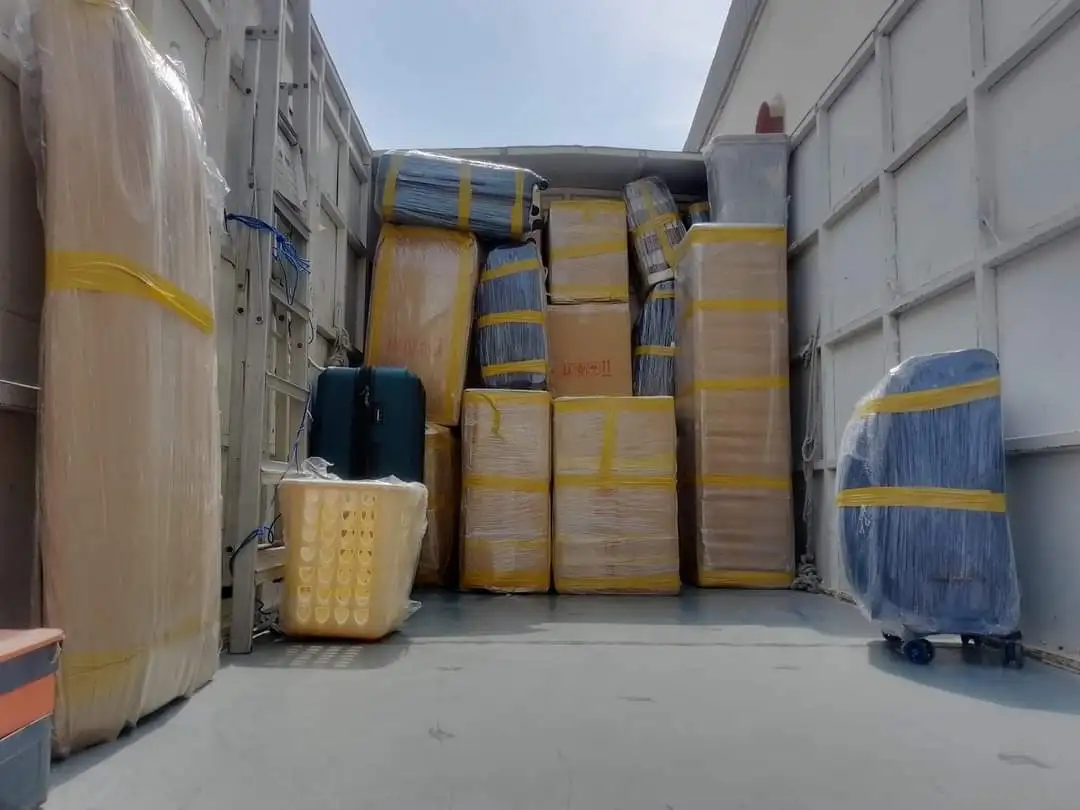
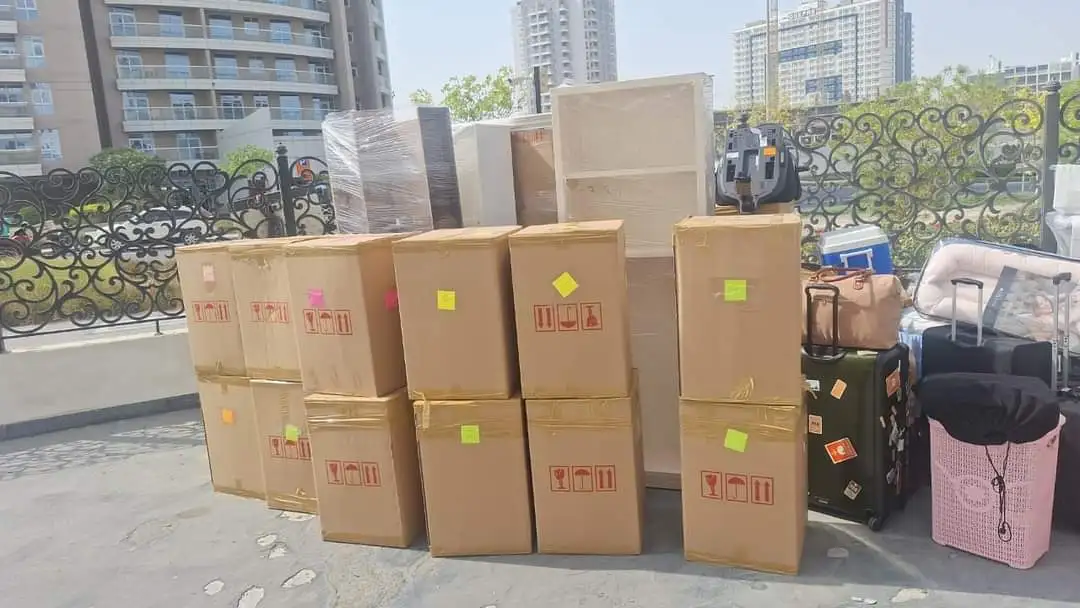
That's roughly a month between getting your keys and actually living there. It feels slow, but it prevents so many problems. Our apartment moving service can schedule your move date with a 3-day flexibility window, so you can confirm once rectification is done.
Warranty Coverage: What Your Developer Must Fix for Free
Under UAE law, developers provide:
- 1-year warranty on finishes — Paint, tiling, fixtures, appliances, doors, windows. Anything cosmetic or functional.
- 10-year warranty on structural elements — Foundation, load-bearing walls, roof, structural beams. Major defects only.
That first year is critical. Document everything. If you notice a crack appearing three months after move-in, report it immediately. After 12 months, the developer will point to the warranty expiry and walk away. Keep all snagging reports and developer communications — they're your evidence if you need to escalate through RERA's dispute resolution process.
Ready to schedule your post-handover move? Get a free estimate — tell us your expected rectification completion date and we'll lock in your slot.
Frequently Asked Questions
How much does a professional snagging inspection cost in Dubai?
Professional snagging inspections cost AED 800–1,500 for studios and 1-beds, AED 1,500–2,500 for 2-beds and larger apartments, and AED 2,000–3,500 for villas. Inspectors use thermal cameras and digital levels to identify 50–150 defects in a typical new-build unit. The cost pays for itself by catching issues before they become expensive repairs.
How long does developer rectification take after snagging?
Rectification typically takes 2–8 weeks depending on the developer. Emaar averages 2–4 weeks for cosmetic fixes. DAMAC tends to take 4–8 weeks and requires persistent follow-up. Sobha falls in the middle at 3–5 weeks. Always submit your snagging report via email for a documented paper trail.
When should I schedule movers after off-plan handover?
Schedule your move 3–4 weeks after key collection. This allows time for snagging inspection (days 1–3), developer rectification (days 4–21), final walkthrough (day 22), and DEWA plus district cooling activation (days 23–25). Moving before rectification is complete risks damage to your furniture from ongoing repair work.
What's the DEWA activation cost for a new off-plan apartment?
New DEWA connections cost AED 2,110 for apartments and AED 4,110 for villas, including a refundable security deposit. You need your title deed and Emirates ID. District-cooled communities require separate registration with Empower or National Central Cooling at an additional AED 2,000–3,000 deposit.