Lagos to Dubai Is a 7-Hour Flight. The Cultural Adjustment Takes Considerably Longer.
The Nigerian community in the UAE has grown rapidly over the past decade, and for good reason — Dubai offers security, infrastructure, and earning potential that attracts ambitious professionals from Lagos, Abuja, Port Harcourt, and beyond. But the move involves more bureaucratic hurdles than most Nigerian expats expect, starting with a visa process that's more restrictive than what many other nationalities face.
We've helped Nigerian families settle into apartments across Dubai — from budget studios in International City to family flats in JVC. The logistics of the move itself are manageable. It's the paperwork and cost-of-living shock that catches people off guard.
Visa Routes for Nigerian Nationals
Here's the first thing you need to know: Nigeria is not on the UAE's visa-on-arrival list. You cannot fly to Dubai and sort things out when you land. Every visa must be arranged before you board the plane.
The main pathways:
- Employment visa: The most common route. Your UAE employer sponsors your residency visa. The process takes 2–4 weeks after you accept the offer. Your employer handles most of the paperwork, but you'll need attested educational certificates — get these done in Nigeria before you leave.
- Golden Visa: Available for qualified professionals, investors (AED 2 million+ in property or business), and skilled specialists. The 10-year residency is a game-changer for stability, but eligibility requirements are strict.
- Freelancer/remote work visa: Options exist through free zones like Dubai Internet City and IFZA. Costs range from AED 15,000–25,000/year depending on the free zone, plus health insurance.
- Family sponsorship: If your spouse already has UAE residency and meets the salary threshold (currently AED 4,000/month or AED 3,000 + accommodation), they can sponsor your visa.
A word on processing times: allow extra buffer. Nigerian passport holders sometimes experience longer processing windows than other nationalities. Start the process 6–8 weeks before your intended move date.
The Cost of Living Reality Check
Dubai is expensive by Nigerian standards. There's no gentle way to put it. A comfortable single-person lifestyle costs AED 8,000–12,000 per month (roughly ₦800,000–₦1,200,000 at current rates). That covers rent in a shared apartment, food, transport, and basic entertainment.
Here's how the major costs break down:
- Rent (studio, budget area): AED 2,000–3,000/month (International City, Discovery Gardens)
- Rent (1-bed, mid-range area): AED 4,500–7,000/month (JVC, DSO, Al Nahda)
- Groceries: AED 1,200–2,000/month for one person eating mostly home-cooked meals
- Transport (Metro + occasional taxi): AED 400–800/month
- Phone and internet: AED 200–400/month
- Health insurance: Provided by employer (mandatory) or AED 3,000–8,000/year if self-sponsored
The silver lining: no income tax. Your gross salary is your net salary. For many Nigerian professionals earning AED 15,000–25,000/month in tech, finance, or healthcare, the math works out significantly better than a higher-tax destination like the UK or Canada.
Shipping Household Goods from Lagos or Abuja
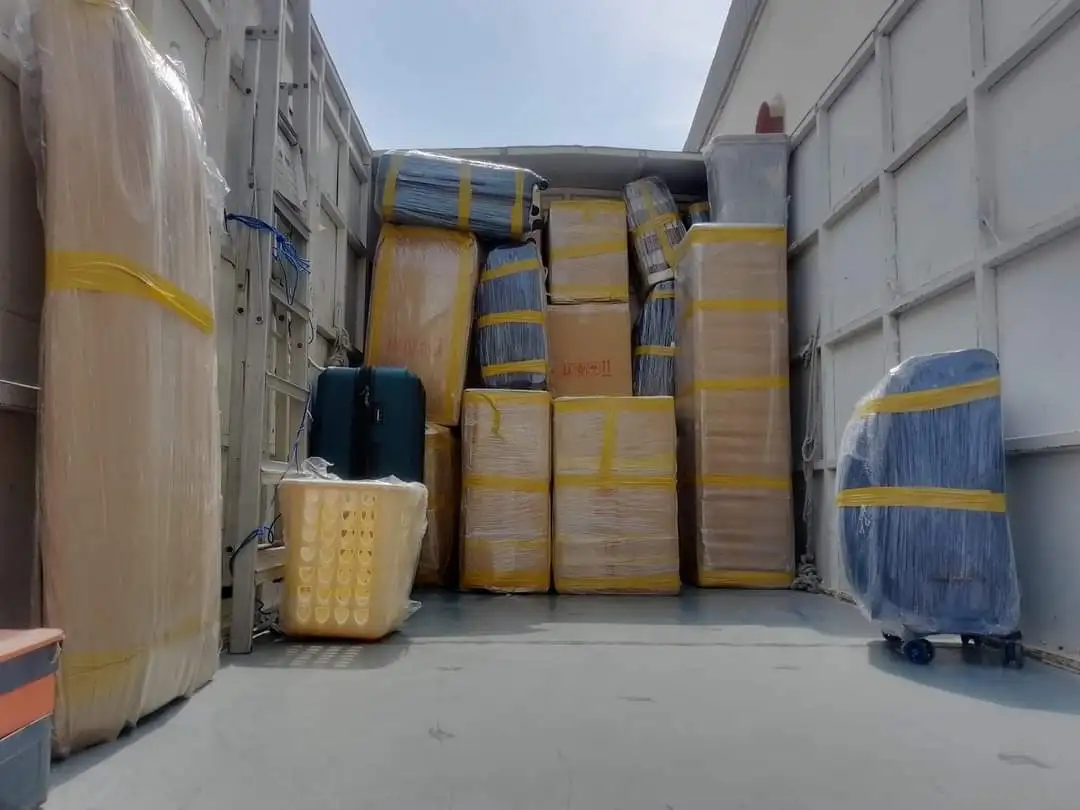
Sea freight from Lagos to Dubai via Jebel Ali port takes 3–5 weeks. The longer estimate accounts for the reality of Lagos port operations — Apapa and Tin Can ports have unpredictable congestion that can add days to your departure schedule.
Shipping costs for a typical household:
- 20ft container (2-bed household): AED 8,000–14,000 (USD 2,200–3,800)
- Shared container / LCL (less than container load): AED 3,000–6,000 depending on volume
- Air freight (urgent items only): AED 30–50 per kg — only worth it for documents, electronics, or irreplaceable items
What to ship and what to leave behind: furniture is generally not worth shipping unless it's high-value or custom-made. Dubai has affordable furniture at Dragon Mart, IKEA, and through Dubizzle secondhand sales. Ship clothing, personal items, kitchen equipment you're attached to, and electronics. Leave large appliances — voltage and plug differences mean your Nigerian appliances may not work here without transformers.
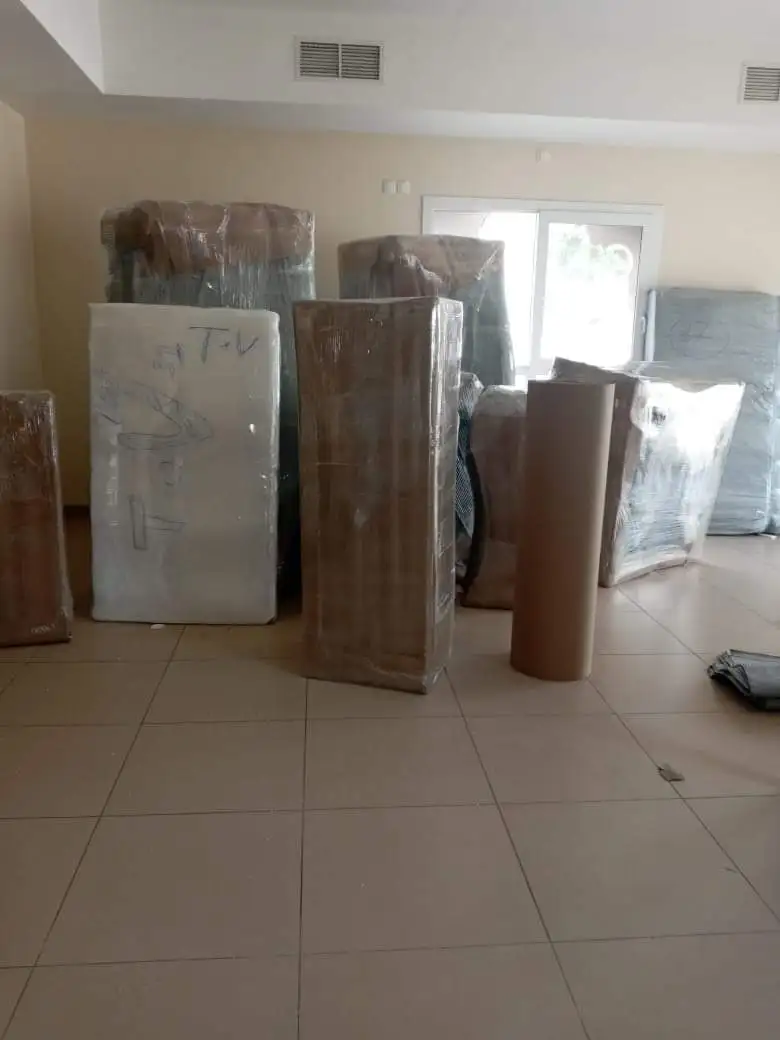
Customs clearance at Jebel Ali requires your passport copy, visa copy, and a detailed packing list. Personal effects are generally duty-free, but new items in commercial quantities will attract 5% VAT. Our team handles local delivery from Jebel Ali port to your Dubai apartment.
Where Nigerian Expats Tend to Settle
The Nigerian community in Dubai doesn't cluster in one single area, but certain neighbourhoods have naturally become hubs:
Deira and Bur Dubai: Budget-friendly with a strong African and South Asian commercial presence. Naif and Al Rigga areas have Nigerian restaurants and shops. Studios from AED 20,000–30,000/year.
International City: Dubai's most affordable freehold community. Studios from AED 20,000–28,000/year. Large African community. The China Cluster and Persia Cluster have the most Nigerian residents.
JVC and JVT: The step-up option. 1-bed apartments from AED 50,000–70,000/year. More spacious, newer buildings, but you'll need a car.
Dubai Marina and JLT: For professionals earning AED 20,000+. 1-beds from AED 70,000–100,000/year. Strong nightlife and social scene that many young Nigerian professionals enjoy.
Driving License: No Direct Swap
Nigerian driving licenses are not on the RTA's direct-swap list. That means you'll need to:
- Open a learner's file at an RTA-approved driving school (AED 200 for the file)
- Pass the theory test (study the RTA handbook — it's different from Nigerian road rules)
- Pass the road test
Total cost: AED 5,000–8,000 at schools like Emirates Driving Institute or Belhasa. Some experienced drivers pass within a few attempts. Others take longer — the RTA's testing standards are strict and there's no way to expedite it. Budget 2–3 months for the full process.
In the meantime, ride-hailing apps (Careem and Uber) and the Metro will get you around. Many Nigerian expats manage fine without a car for the first 6 months.
Banking and Financial Setup
Opening a bank account requires your Emirates ID, passport, visa page, and a salary certificate or employment contract. Emirates NBD and Mashreq Bank are generally the most straightforward for new residents regardless of nationality.
For sending money back to Nigeria, services like Wise (formerly TransferWise), Remitly, and local exchange houses offer better rates than bank wire transfers. The AED-to-Naira rate fluctuates — many Nigerian expats time their transfers to maximize value.
Nigerian Community Infrastructure in Dubai
You won't feel isolated. Dubai has a substantial Nigerian community with:
- Restaurants: Nigerian restaurants in Deira, Karama, and International City serving jollof rice, suya, pounded yam, and egusi soup
- Churches: Multiple Nigerian-led churches including RCCG parishes, Winners Chapel, and Deeper Life branches across Dubai
- Business networks: The Nigerian Business Council UAE connects professionals and entrepreneurs
- Social groups: Active WhatsApp communities organized by state of origin, profession, and interest
- Cultural events: Nollywood screenings, Nigerian Independence Day celebrations, and community gatherings throughout the year
Healthcare: Private Insurance Is Mandatory
If you're employed, your employer must provide health insurance — this is UAE law. The coverage quality varies wildly. Check what's included before accepting a job offer: basic plans cover only government hospitals, while comprehensive plans cover private clinics and specialists.
If you're self-sponsored, budget AED 3,000–8,000/year for individual health insurance. The DHA (Dubai Health Authority) oversees all healthcare regulation. Carry your insurance card everywhere — even an emergency room visit without insurance will cost you AED 500+ out of pocket.
Common Mistakes Nigerian Expats Make
Based on what we've seen helping families settle in:
- Underestimating upfront costs: First month in Dubai requires security deposit (5% of annual rent), agency fee (5% of annual rent), DEWA deposit and activation (AED 2,110), and first rent cheque. For a modest 1-bed in JVC, that's roughly AED 20,000–25,000 before furniture.
- Not attesting documents before leaving Nigeria: Educational certificates need attestation from the Nigerian Ministry of Foreign Affairs AND the UAE Embassy in Abuja. This takes 2–4 weeks. Do it before you fly.
- Shipping too much: Bringing your entire Lagos household to Dubai usually costs more than the furniture is worth. Ship essentials. Buy the rest here.
- Ignoring the heat: June through September hits 45°C+. If you're arriving in summer, your first summer move needs careful planning.
Thinking about making the move? Get a free moving estimate — we handle everything from Jebel Ali port pickup to apartment setup across Dubai.
Frequently Asked Questions
Can Nigerians get a visa on arrival in Dubai?
No. Nigerian nationals cannot enter the UAE on a visa-on-arrival basis. You must arrange your visa before travelling — either through an employer (employment visa), a free zone (freelancer visa), or a UAE-based sponsor. Apply at least 6–8 weeks before your planned move date.
How much does it cost to ship goods from Nigeria to Dubai?
Sea freight from Lagos to Dubai's Jebel Ali port costs AED 8,000–14,000 for a 20ft container (full household) or AED 3,000–6,000 for shared container/LCL shipments. Transit takes 3–5 weeks including Lagos port processing. Personal effects are generally duty-free at customs.
What salary do Nigerians need to live comfortably in Dubai?
A single person needs AED 8,000–12,000 per month minimum for a comfortable lifestyle in Dubai, covering rent in a shared apartment, food, transport, and basics. Families should budget AED 15,000–25,000/month depending on area and school choices. The tax-free salary means your gross pay is your take-home.