The Law That's Reshaping Dubai's Rental Market
Three guys sharing a two-bedroom apartment in Bur Dubai for AED 2,000 each. A family subletting their spare room to offset rent in JVC. A bachelor pad in International City with six people and one bathroom. These arrangements have been the backbone of affordable Dubai living for decades. And as of March 2026, most of them are technically illegal.
Law No. 4 of 2026 changes how shared accommodation works across Dubai. The law introduces mandatory permits for any shared housing arrangement, bans tenant-initiated subleasing entirely, and imposes fines that start at AED 500,000 — with repeat offences hitting AED 1,000,000. There's a 180-day grace period to get compliant, but that clock is already ticking.
If you're currently in a shared flat, planning to move into one, or thinking about leaving one, this matters. A lot.
What the Law Actually Says
Here's what changed. Landlords who want to rent a property as shared accommodation now need a permit from the Dubai Land Department (DLD). The property must meet specific occupancy standards — minimum space per person, proper sanitation facilities, and fire safety compliance. Every occupant must be registered on the tenancy contract through Ejari.
The big one: tenants can no longer sublet rooms or bed spaces. At all. If your name is on the Ejari and you've been renting out the spare room to cover costs, that's now a fineable offence. Only the landlord or a licensed property management company can operate shared accommodation, and only with the proper permit.
Occupancy limits are strict too. The exact numbers depend on bedroom count and total square footage, but the days of cramming eight people into a three-bedroom apartment are definitively over.
Who's Affected Most
Budget-conscious expats in areas like International City, Al Nahda, Bur Dubai, and Deira will feel this the hardest. These neighbourhoods have thousands of informal shared arrangements — some with proper agreements, many with just a WhatsApp handshake and monthly bank transfers.
But it's not just the budget areas. Plenty of mid-range apartments in JLT, Barsha Heights, and Discovery Gardens have unofficial room-sharing setups. If your landlord doesn't know about your extra flatmate, you're in violation.
The 180-Day Grace Period: What to Do Right Now
You've got roughly six months from March 2026 to sort your situation. Here's what that looks like practically.
Step 1: Check your Ejari. Log into the Dubai REST app and pull up your tenancy contract. Is every person living in the apartment listed? If not, you have a problem. Adding occupants to an existing Ejari costs AED 220 per amendment.
Step 2: Talk to your landlord. If you're in an informal arrangement — say, the tenant on the Ejari invited you to share — the landlord needs to know. They'll need to apply for a shared accommodation permit or restructure the tenancy. Some landlords will cooperate. Others will tell you to leave.
Step 3: Budget for the worst case. If your arrangement can't be formalized, you need to find a new place. And so does everyone else in the same situation. That means demand for studios and one-bedroom apartments is about to spike in affordable areas. Rents for studios in International City have already crept up from AED 22,000 to AED 26,000 annually since the law was announced.
How This Changes the Moving Market
We're already seeing it. Enquiries for emergency relocations from shared flats jumped 40% in the two weeks after the law's announcement. Most are single professionals or couples who were splitting a larger apartment and now need to move into their own unit fast.
The pattern is predictable: someone gets a call from their landlord saying "the arrangement needs to change by September." They have 30-60 days of rent left on their share. They need to find a studio or one-bed, sign a new Ejari, set up DEWA, and physically move — all while working full-time.
That's where having a moving company that can mobilize quickly matters. Our apartment moving teams can handle a studio or one-bedroom move within 3-4 hours, and we've been scheduling same-week bookings for tenants caught in this exact situation.
Rent Budget Recalculations
Here's the maths most people aren't doing yet. Say you're paying AED 3,000/month for a room in a shared two-bedroom in Business Bay. That's AED 36,000 a year. A studio in JVC costs AED 38,000-45,000 annually. But add DEWA (AED 500-800/month for a studio versus your share of a flat's bill), internet (AED 389/month for du basic), and the one-time Ejari, security deposit, and agent commission — you're looking at an extra AED 15,000-25,000 in your first year of solo living.
That's a genuine financial hit for people earning AED 8,000-12,000 a month. And it's why many will look at areas they hadn't previously considered — Discovery Gardens, Production City, even Al Quoz residential towers — where solo rents are lower.
Areas to Watch: Where Demand Will Surge
Studios and one-bedrooms in these areas will see the most pressure over the next six months:
- International City: Already Dubai's cheapest freehold area. Studios from AED 22,000. Expect 10-15% rent increases as shared-flat residents transition to solo units.
- Discovery Gardens: Metro-connected, studios from AED 28,000. Good value but limited inventory — buildings are old and turnover is slow.
- Al Nahda (Dubai/Sharjah border): Popular with budget expats. One-beds from AED 30,000 on the Dubai side, AED 22,000 in Sharjah.
- JVC: New stock keeps coming online, so price pressure might be softer here. Studios from AED 35,000.
- Dubai Sports City: Underrated. Studios in Elite Residences from AED 25,000 with actual community amenities.
Moving Out of a Shared Flat: Logistics
Moving from a shared arrangement is different from a normal apartment move. You're taking your stuff from specific rooms, leaving shared items behind, and often dealing with tight timelines and awkward flatmate dynamics.
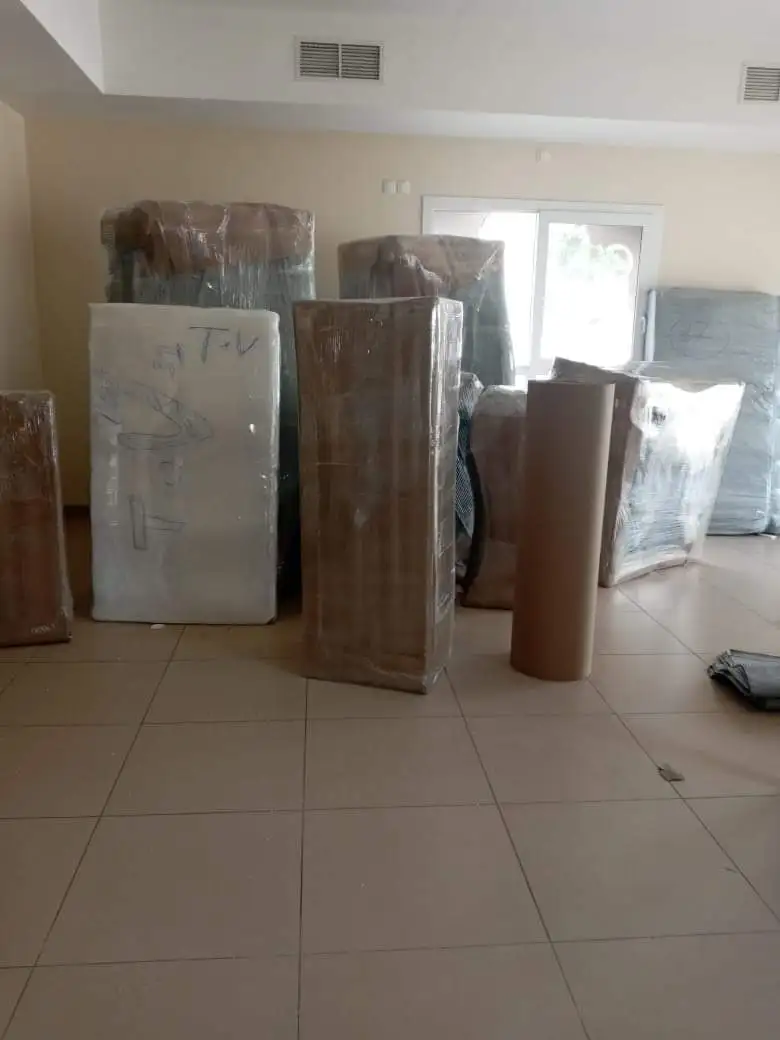
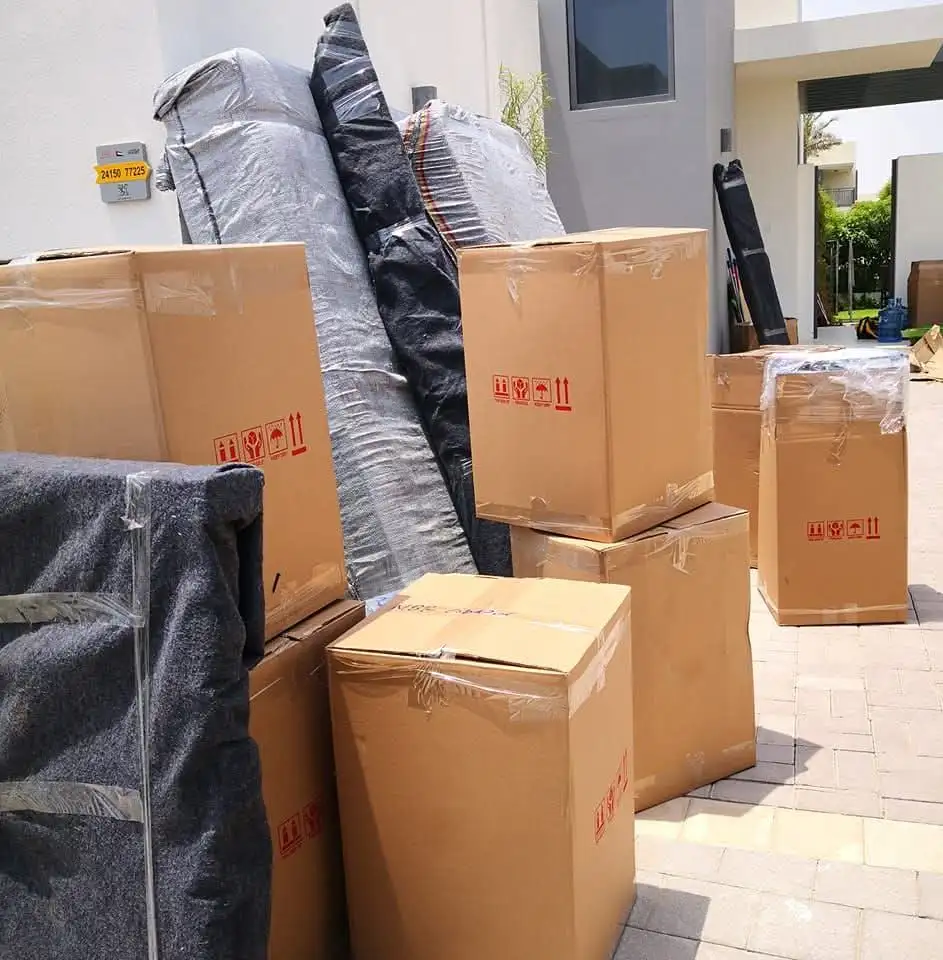
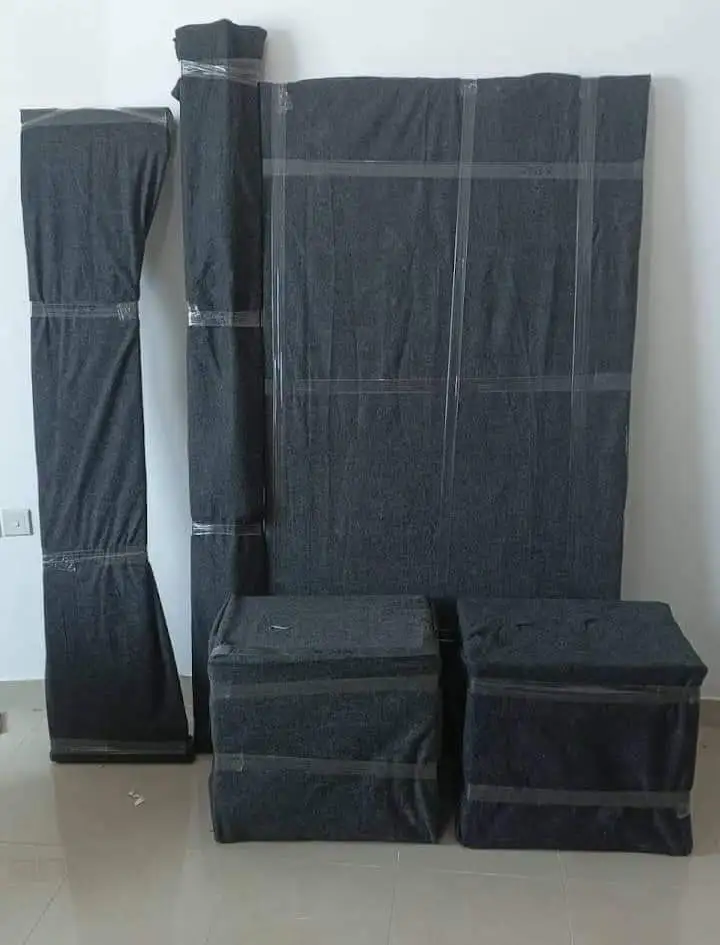
Book a half-truck move — most shared-flat residents don't have a full apartment's worth of furniture. A bed, wardrobe, some boxes, maybe a small sofa. We charge AED 800-1,200 for a single-room move within Dubai, including two movers and basic packing materials.
Get clear on what's yours before moving day. Shared items — kitchen equipment, the TV, curtains — can become surprisingly contentious. Sort it out in advance, not while the movers are waiting downstairs at AED 50 per 15 minutes of idle time.
Documents to Collect Before You Leave
If you're on the Ejari, you need to cancel it or have your name removed. Keep a copy of the existing contract. Get a move-out NOC from building management — even if your flatmate is staying, some buildings require the departing tenant's name to be cleared. Collect your security deposit or share of it in writing.
For Landlords: Getting the Shared Housing Permit
If you're a landlord who wants to continue operating shared accommodation legally, you'll need to apply through DLD's new portal. The permit requires proof that the property meets occupancy standards, has adequate fire exits, and complies with health and safety codes. Annual permit fees haven't been officially published yet, but industry sources suggest AED 5,000-10,000 depending on unit size and occupant count.
Properties that don't meet the physical requirements — think converted living rooms used as bedrooms, partitioned studios, or units without proper ventilation for the occupancy level — won't get approved. And inspections are part of the permitting process.
What SAMA Movers Is Doing About It
We've created a fast-track shared housing relocation package. AED 900 flat rate for a single-room move within Dubai, including two movers, a half-truck, basic packing materials, and furniture wrapping. Available seven days a week with 48-hour booking windows.
We're also partnering with licensed real estate agents who specialize in affordable studio and one-bedroom rentals to offer referrals to tenants who need to find a new place quickly. Get a free estimate and we'll connect you with an agent in your preferred area.
Frequently Asked Questions
Can I still share a flat legally in Dubai after the new law?
Yes, but only if the landlord has obtained a shared accommodation permit from DLD. The permit requires the property to meet occupancy standards and all tenants must be registered on the Ejari. Tenant-initiated subleasing — where the main tenant rents out a room — is no longer allowed under any circumstances.
What are the fines for illegal shared housing in Dubai?
First-time fines start at AED 500,000 for operating shared accommodation without a permit. Repeat offences can reach AED 1,000,000. Both landlords and tenants who sublet can be fined. There's a 180-day grace period from March 2026 to become compliant before enforcement begins.
How much does it cost to move from a shared flat to a studio in Dubai?
A single-room move within Dubai typically costs AED 800-1,200 with professional movers. The bigger expense is the new tenancy: expect AED 22,000-45,000 annual rent for a studio depending on area, plus a 5% security deposit, AED 220 Ejari fee, AED 2,000 DEWA deposit, and moving-in permit fees of AED 500-1,000.
How long do I have to comply with Dubai's shared housing law?
The grace period is 180 days from the law's enactment in March 2026, giving residents and landlords until approximately September 2026. During this period, existing arrangements won't be penalized, but you should start the compliance process immediately — permit applications and Ejari amendments take time.