Almost every household goods container shipped into Dubai gets scanned. The X-ray flags something on roughly 85% of them — a book pile that looks dense, a metal object that reads as unidentified, a wrapped painting that looks suspiciously angular. Most flags clear with a document check. About 6-10% of shipments get the full treatment: container doors open, boxes pulled out, physical strip-and-check.
If it's your container being stripped, you're now paying AED 300-600 per day in demurrage while customs officers go through your stuff. Here's what actually happens and how to minimise time at the port.
The Jebel Ali Customs Flow
- Vessel arrival at Jebel Ali Terminal 2. The ship docks and containers are offloaded. Your container is positioned in the Inspection Yard zone.
- Document submission. Your mover (or you, if clearing personally) submits the Bill of Lading, commercial invoice/packing list, Emirates ID, and any dutiable-item declarations to Dubai Customs via the Mirsal 2 portal.
- X-ray scan. Nearly every household container is X-rayed. This happens overnight — you don't schedule it. Results flag dense regions for manual review.
- Document review and payment. Customs officer reviews your declaration. Assessable duties (5% on new items; 5% VAT on dutiable value) are calculated. You pay via bank transfer or Customs office.
- Release or flag for physical inspection. 90-94% of shipments release here. 6-10% get routed to physical inspection.
- Container repositioning and inland transit. Released container moves to the inland transit zone, from where your mover's truck picks it up for delivery.
For first-time importers, the whole process runs 3-7 working days from ship arrival. For routine repeat shipments with clean declarations, 2-3 days.
The X-Ray Phase — What Triggers a Flag
Based on conversations with Jebel Ali customs officers over the years, these are the top X-ray flag triggers in household shipments:
- Dense book boxes — paper reads as a continuous mass that can hide items. Flagged in maybe 30% of shipments with significant book content.
- Metal clusters — tool chests, kitchen appliances, fitness equipment. Items with wiring (power tools, audio equipment) regularly flag.
- Wrapped wall art — canvas/frame combinations look angular and opaque on X-ray.
- Large wooden crates — custom-built crates (common for luxury moves) get inspected because their contents are unknown to customs.
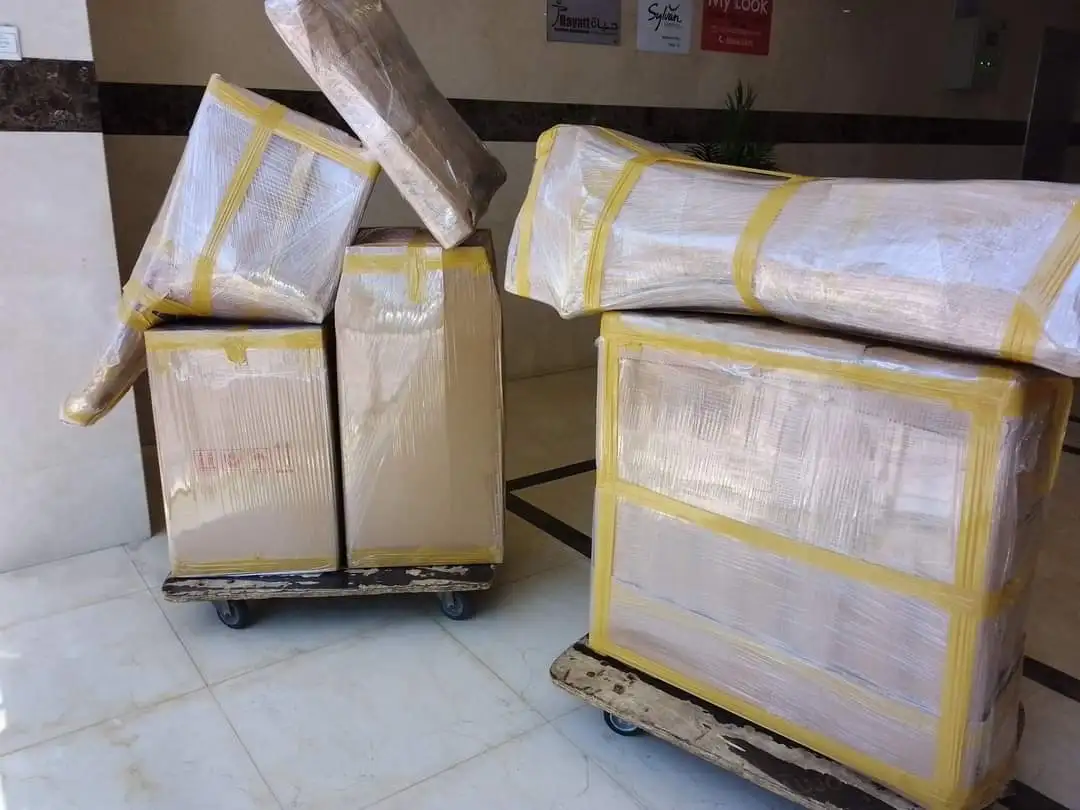
- Irregular packing — if your mover used mismatched boxes or taped them in unusual ways, expect scrutiny.
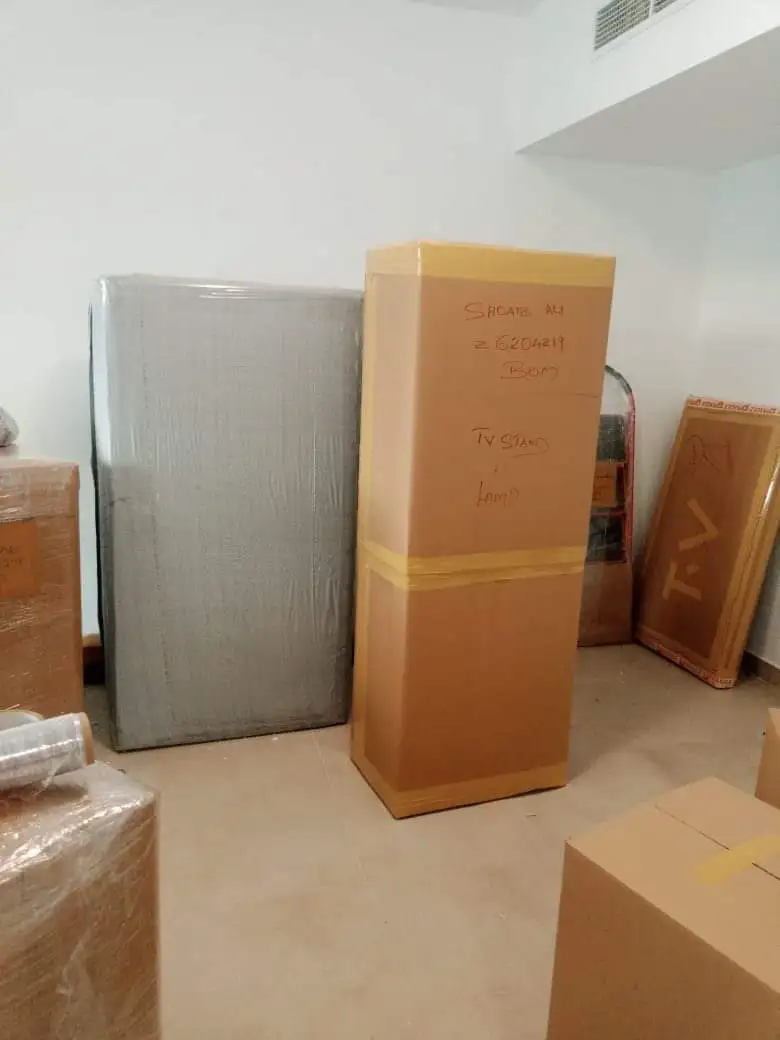
Most flags clear with a 10-minute document check showing the item matches your declared packing list. Keep your inventory detailed — 'Box 23: 5 paintings, 2 wall clocks, 15 books' clears faster than 'Box 23: miscellaneous.'
The 5% Duty + 5% VAT Rule on New Items
UAE customs allows returning residents to bring household effects without duty, but new items (purchased within 6 months, commercial invoice showing unused status) attract 5% customs duty plus 5% VAT on the declared value. Key thresholds:
- Items under AED 3,000 each — generally waived if declared as personal effects
- Items AED 3,000-20,000 — 5% duty + 5% VAT, calculated on landed value
- Items over AED 20,000 — often get additional scrutiny; customs may require proof of ownership age
- New electronics — even if under threshold, often flagged because of the purchase invoice trail
A AED 40,000 sofa bought three months before shipment attracts AED 4,000 in duty and VAT. A AED 40,000 sofa owned for two years attracts zero. Proof is the key — receipts, photos with timestamps, or a declaration notarised in your origin country.
The 6-10% That Get Physical Inspection
If your shipment gets flagged for physical inspection, here's what happens:
- Container moved to inspection yard. Usually within 24 hours of the flag.
- You or your mover attends. Unattended inspections cost extra or result in delays. Someone with authority to answer questions must be physically present.
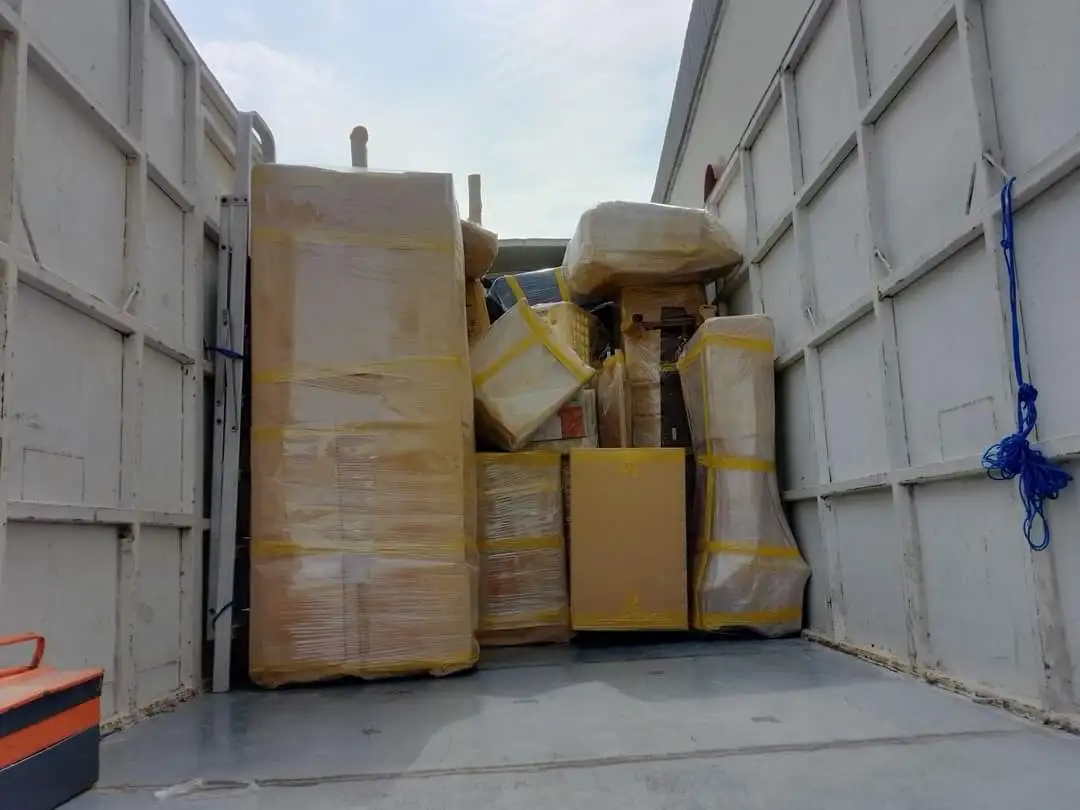
- Officers open the container. A selection of boxes (usually 3-8) are pulled out and opened in the presence of you or your agent.
- Contents checked against declaration. Officers verify that declared items match actual contents.
- Any prohibited items seized. The UAE has a long prohibited-items list — our prohibited items guide walks through it. Common unintentional violations: certain medicines, satellite receivers, oversized drones, alcohol above duty-free allowance.
- Repacking and release. Boxes get repacked (usually roughly) and the container is resealed. Demurrage clock typically pauses for the inspection time itself.
A routine physical inspection takes 2-4 hours. A problematic one (prohibited items found, dispute over declaration) can stretch 2-5 days while paperwork is resolved.
How to Minimise Inspection Time
- Detailed inventory. Item-level lists clear X-ray flags faster than vague descriptions.
- Separate 'risky' boxes. Books, DVDs, medicines, and electronics in dedicated clearly-labelled boxes near the container door. If flagged, officers access them first without digging.
- Original receipts for new items. Scanned copies with your declaration let officers approve new-item declarations without digging.
- Use a FIDI-accredited mover. Their inventories are barcode-tracked and customs officers recognise the format. Our FIDI accreditation guide explains why this matters.
- Attend in person if possible. If physical inspection is flagged, your presence shortens the process by hours.
- Ship during non-peak weeks. Late Ramadan, DSF week, and December Eid week see Jebel Ali backlogs that add 2-5 days to any container.
The Demurrage Clock
Most shipping lines allow 5-7 free days at port before demurrage starts. After that, AED 300-600 per day per 20ft container, AED 600-1,200 for 40ft. A 10-day delay from a mis-declared item is AED 3,000-6,000 in fees alone. Not including storage (separate charge). Not including your mover's rescheduling fees.
For the wider shipping process, see our Dubai customs shipping guide. For the international relocation big picture, our international moving guide covers the full outbound/inbound lifecycle.
SAMA's Customs Clearance Workflow
We handle Mirsal 2 submissions, duty calculations, inspection attendance, and container release for every international client. Our international movers service includes full customs brokerage.
Our Jebel Ali movers page has port-specific logistics. Request a customs clearance quote with your vessel ETA and container details.
Frequently Asked Questions
How long does Dubai customs clearance take for a household container?
Typical release time is 3-7 working days from vessel arrival for first-time importers. Repeat shipments with clean declarations clear in 2-3 days. If flagged for physical inspection, add 1-3 days. Peak weeks (Ramadan, DSF, December Eid) add another 2-5 days across all shipments due to port backlog.
What happens if customs finds prohibited items?
Prohibited items are seized and held. Depending on the item, you may face fines, re-export requirements, or (in serious cases) legal action. Common unintentional violations: certain prescription medicines, satellite TV receivers, drones above 2kg, alcohol exceeding duty-free allowance, pork products. Always check the UAE prohibited items list before shipping.
Do I pay customs duty on my used furniture?
No — genuinely used personal effects imported by returning residents are duty-free. New items (purchased within 6 months, showing unused status) attract 5% duty plus 5% VAT on declared value. Items under AED 3,000 each are usually waived. For high-value items, keep receipts and photos showing ownership age to support declarations.
What is demurrage at Jebel Ali?
Demurrage is the daily fee charged after your free port days (typically 5-7 days) expire. Rates are AED 300-600/day for 20ft containers and AED 600-1,200/day for 40ft. A 10-day customs delay can cost AED 3,000-6,000 in demurrage alone. Fast document submission and detailed declarations are the main ways to avoid accruing fees.