Most office relocations in Dubai move in a weekend. A DHA-licensed clinic cannot. The moment you sign a new lease, you trigger a "Change Facility Location" workflow on the Sheryan portal that runs 5 to 15 working days — and if the new unit isn't pre-approved for clinical use, you're not opening Monday. Not even close.
We've coordinated clinic moves across Dubai Healthcare City, Jumeirah, and Al Barsha. The pattern is always the same: the landlord promises a quick fit-out, the clinic manager assumes the license "just transfers," and then the DHA inspector shows up on day 11 and finds three compliance gaps nobody flagged. Here's how to avoid that.
What Triggers a DHA Relocation Approval
The Dubai Health Authority treats every change of physical address as a fresh facility review. It's not a transfer — it's a re-issuance. Under the DHA Sheryan portal, you submit a "Change Facility Location" request along with the new site's floor plan, Civil Defence certificate, medical waste management contract, and NABIDH EMR re-integration confirmation. The DHA then schedules a physical inspection before the license is re-printed to the new address.
Two things people miss. First, your existing license is valid only for the current address — the day you hand back the keys to the old clinic, operating at the new site without the updated license is a violation. Second, patient appointments booked during the approval window create a continuity problem, because NABIDH connectivity drops during the transition and records have to be reconciled manually.
The Documents Your Landlord Doesn't Know You Need
Commercial landlords in Dubai are used to F&B and retail tenants. They're not used to medical. You will need them to provide:
- Ejari in the clinic's trade name — not the owning company, not a sister entity. DHA matches name-for-name.
- A Civil Defence-compliant fit-out with a fire strategy signed off for clinical use (not generic office use).
- Plumbing drawings showing sinks in every consultation room, hand-wash stations, and medical-grade waste drains.
- Minimum 30 m² per consultation room and separate procedure rooms if you hold speciality licenses.
- Separate storage for controlled drugs with biometric or twin-key access — this alone delays 30% of the clinic moves we see.
If the landlord's LOD (Letter of Disclaimer for fit-out) isn't signed by a DM-approved contractor, Civil Defence won't inspect. And without that inspection, Sheryan won't close your application.
NABIDH and the Patient-Record Blackout
NABIDH is Dubai's unified health information exchange. Every DHA-licensed clinic is required to be integrated, and the April 2025 AI privacy audit tightened the data-handling rules. When you relocate, the IT partner has to re-point the EMR to the new physical endpoint and re-validate the NABIDH API connection. Typical downtime: 24 to 72 hours.
Plan around it. Block the two days either side of move-day as clinical closure. Notify patients by SMS at least a week out. Pull a full record export before shutdown so that any walk-in emergency during the blackout can be documented on paper and reconciled later.
Moving the Equipment: Not Just Furniture
This is where general office moving services fall short. A clinic move involves equipment with calibration certificates, refrigerated drug stock, and in some cases controlled substances that trigger a chain-of-custody notification to the Ministry of Health.
- Calibrated equipment (ECG, ultrasound, dental chairs): most manufacturers require re-calibration after transport. Budget AED 1,500 to AED 4,000 per device and schedule the technician visit within 48 hours of arrival.
- Refrigerated medications and vaccines: need a cold-chain-validated truck with temperature logging. Standard moving vans don't qualify. Cold-chain runs in Dubai cost AED 800 to AED 1,600 per trip.
- Controlled drugs: you cannot move them in a general moving vehicle. The MoH requires a notified transfer by authorised personnel with tamper-evident containers.
- Patient files (paper): sealed crates, labeled by year, kept inside a locked compartment. Data protection is the clinic's responsibility, not the mover's.
The Realistic Timeline
Clinic owners consistently underestimate this. Here's what we've seen across 14 clinic relocations:
| Phase | Working Days |
|---|---|
| Lease signed + Ejari issued in clinic name | 3–5 |
| Fit-out to DHA spec (if unit is raw) | 30–60 |
| Civil Defence inspection + certificate | 5–10 |
| Sheryan "Change Facility Location" submission | 1 |
| DHA review + inspection scheduling | 5–15 |
| NABIDH re-integration | 1–3 |
| Physical relocation of equipment + stock | 1–2 |
For a clinic moving into a warm shell, total elapsed time is 45 to 90 days from lease signing to reopening. For a raw unit requiring full medical fit-out, 3 to 5 months is realistic.
Cost: What to Budget
For a mid-size general practice (three consultation rooms, one procedure room, reception, small lab):
- DHA Sheryan fees: AED 2,000 to AED 5,000 depending on services
- Civil Defence inspection: AED 1,500 to AED 3,500
- Physical move (equipment + furniture): AED 8,000 to AED 18,000
- Cold-chain transport: AED 800 to AED 1,600
- Equipment re-calibration: AED 6,000 to AED 20,000 depending on device count
- NABIDH re-integration: AED 2,500 to AED 6,000 via your IT partner
Total: AED 25,000 to AED 55,000 for the relocation layer alone, excluding fit-out capital costs. Larger clinics with imaging or dental chairs can exceed AED 100,000 on equipment moves alone.
Where SAMA Movers Fits In
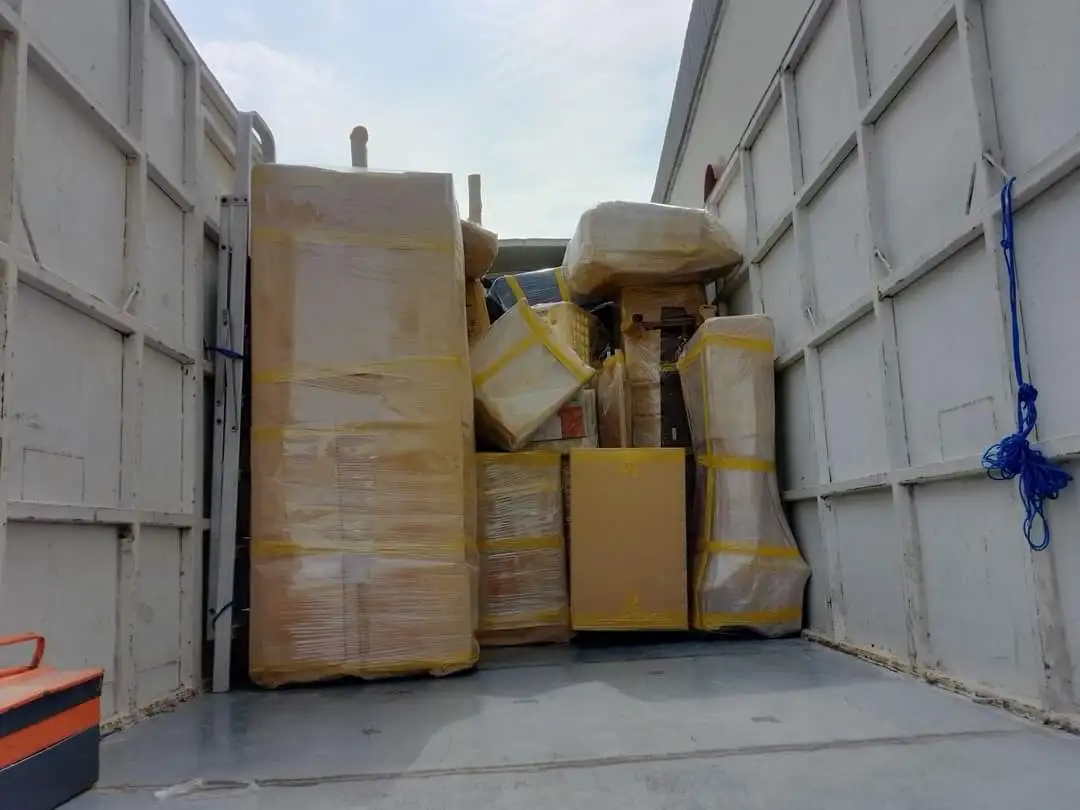
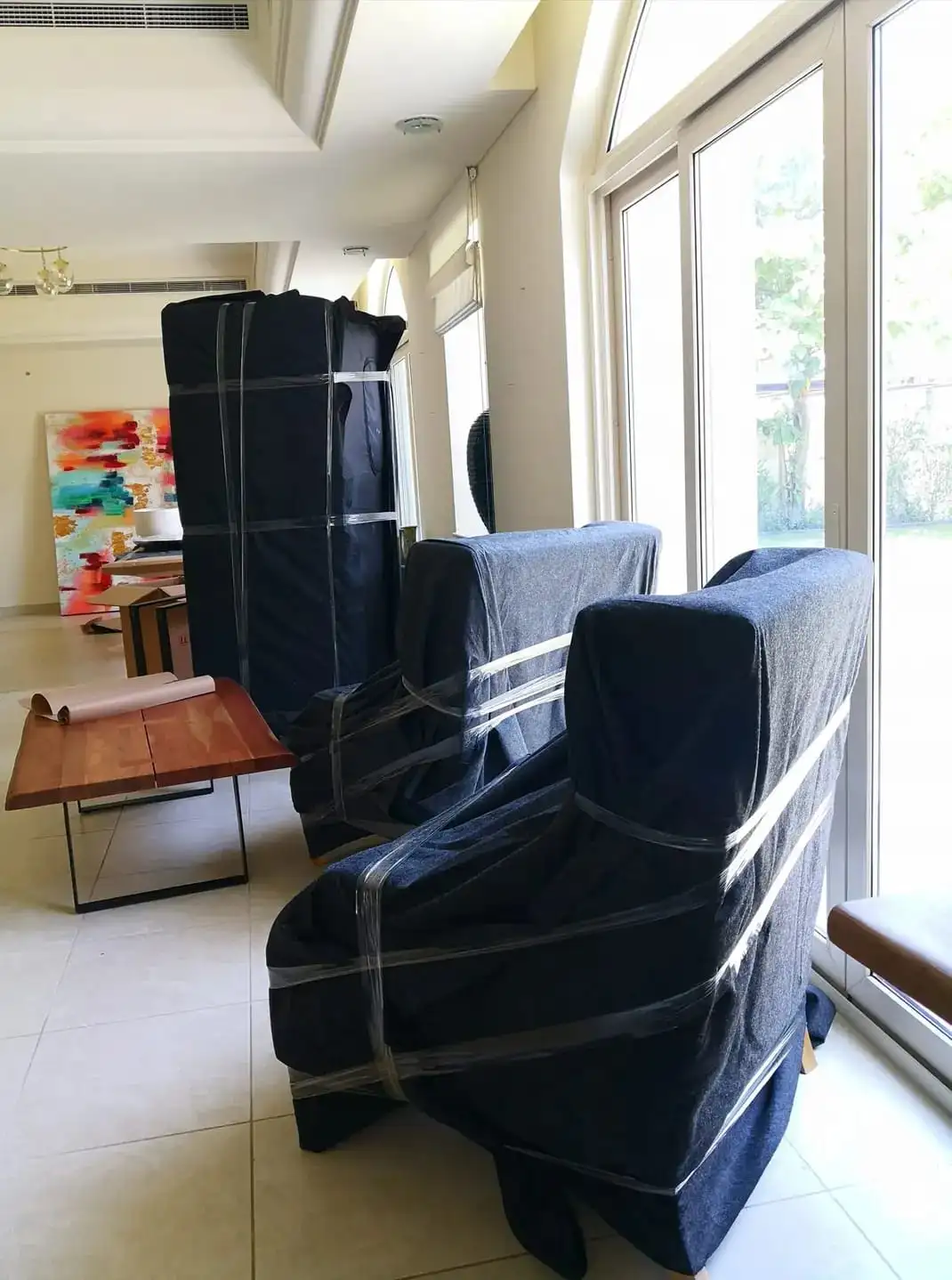
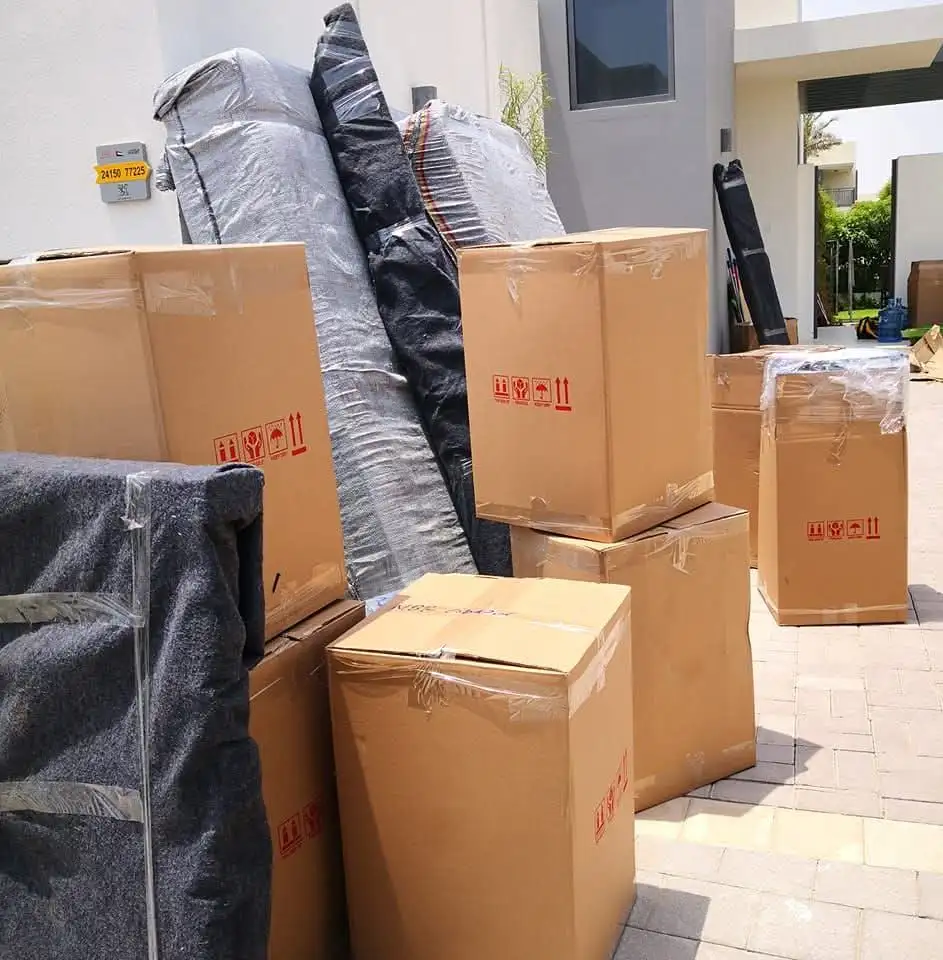
We handle the physical logistics: equipment packing, cold-chain transport on request, patient-file security, furniture, and reassembly. We coordinate with your clinic manager and DHA inspector on move-day so nothing gets delivered to the new unit before it's inspection-ready. We don't file your Sheryan application — that's on your compliance team — but we've walked enough clinic moves to know which day to pull up and which day to wait.
Similar specialist workflows apply to other regulated businesses: see our restaurant and café relocation guide for the Dubai Municipality food-safety equivalent, and our warehouse relocation guide for high-volume physical transitions. For corporate HR packages, our corporate relocation guide covers staff-side logistics.
Need a clinic-relocation plan built around your Sheryan timeline? Request an estimate and we'll schedule a site visit with your clinic manager.
Frequently Asked Questions
Can I start seeing patients at the new clinic before DHA issues the updated license?
No. Your DHA license is bound to a specific address. Operating at any other premises before the updated license is issued is a regulatory violation that can result in fines or suspension. Plan for a physical closure of 2 to 5 days around move-day, notify patients in advance, and only resume consultations once the new license is active.
Does the DHA inspector visit before or after I move equipment in?
The inspection happens after the fit-out is complete and before the license is re-issued. Equipment positioning matters — consultation-room layout, sink access, and controlled-drug storage all get checked. Don't hand over equipment installation to a general mover. Work with a specialist who understands DHA floor-plan compliance.
What happens to NABIDH patient records during the move?
NABIDH integration is re-pointed to the new network endpoint during relocation. Expect 24 to 72 hours of downtime. Records already in NABIDH remain accessible from any other connected DHA facility, but your clinic cannot write new records during the blackout. Document any walk-ins on paper and reconcile within 48 hours of going live.
How far in advance should I book a clinic-specialist mover?
Book 4 to 6 weeks before your target move-day. Cold-chain trucks, calibration technicians, and NABIDH IT slots are all scarce during peak periods. The mover also needs time to walk both sites, inventory the equipment, and coordinate with the DHA inspector's timeline.