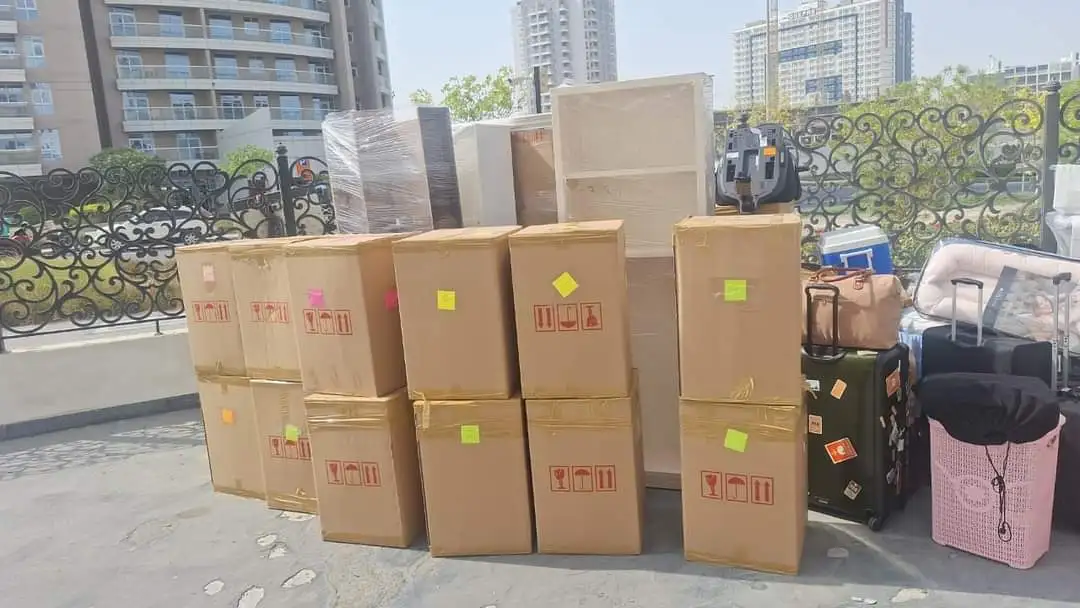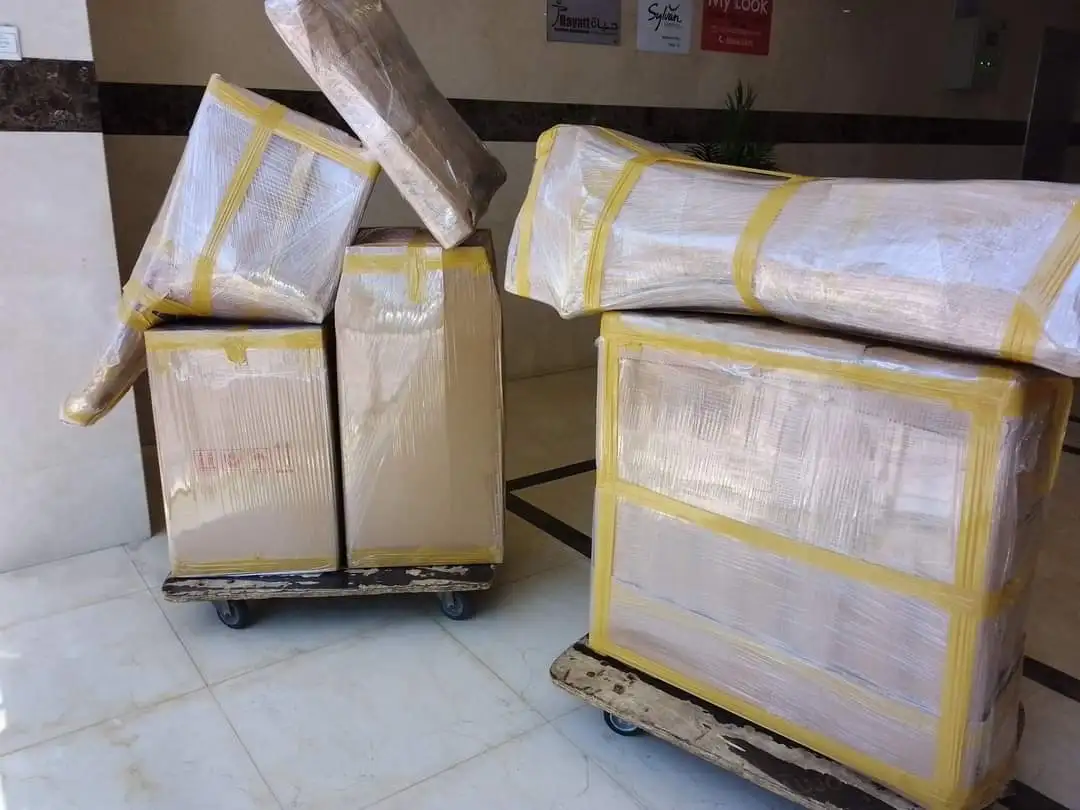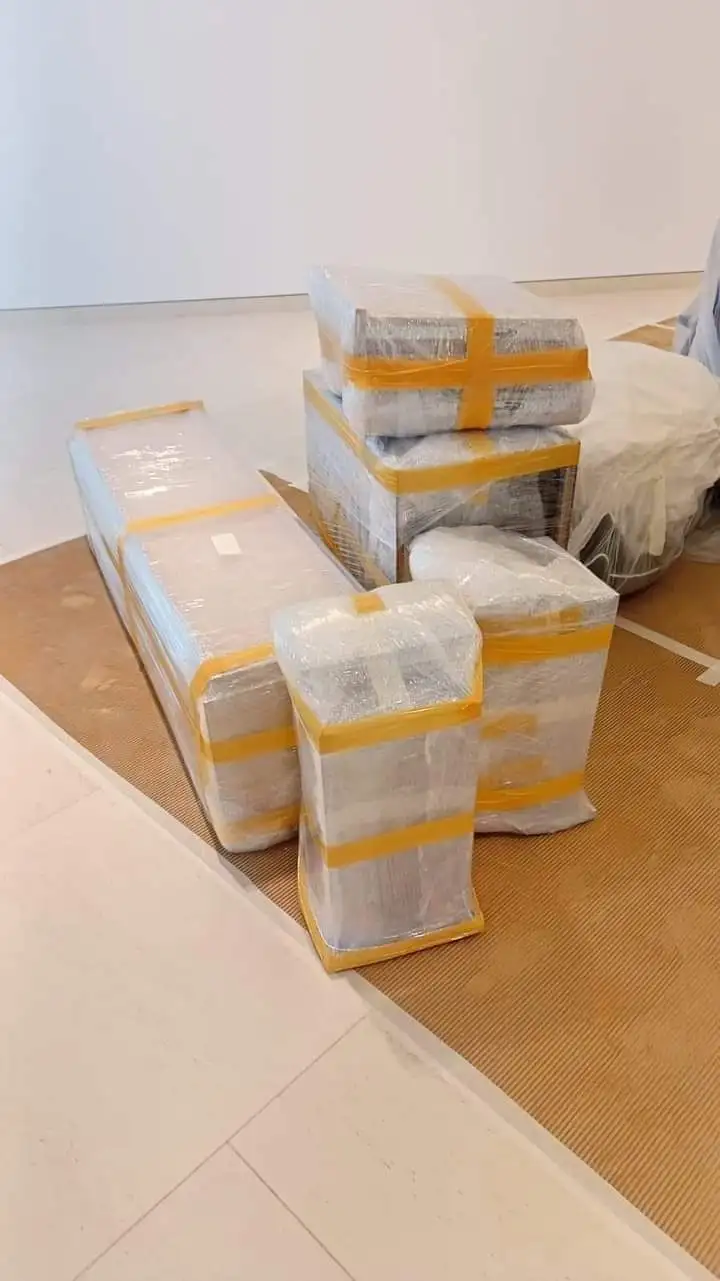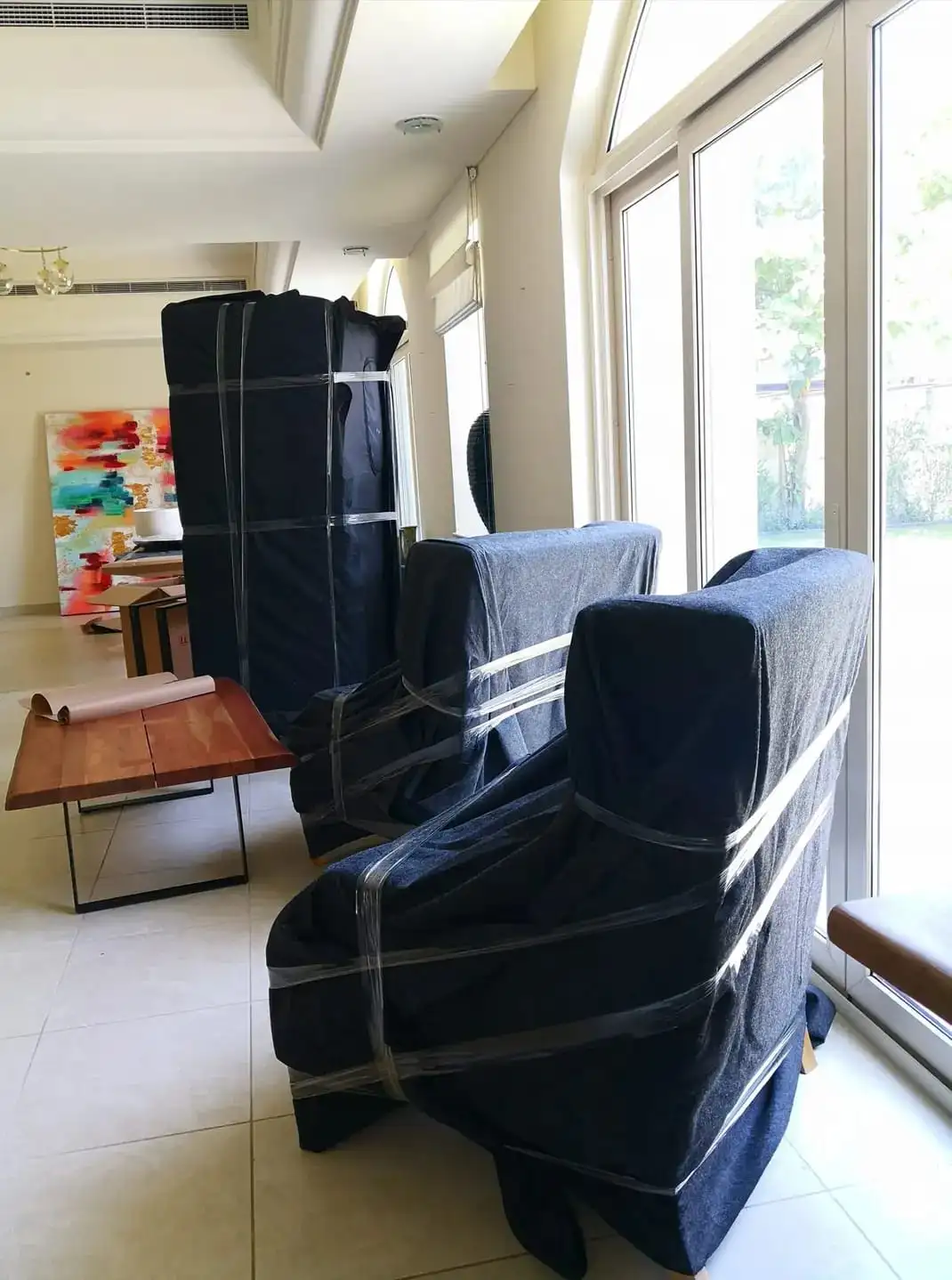
The 47th-floor neighbour at Marina Heights opens her door, looks at our three-man crew, and asks why we're using the truck at all. "You're just going up two floors. Can't you put it in a wheelbarrow?" Honestly, sometimes that's the right question. But the answer is no - and the reason why is a small-print bureaucratic story that costs about AED 800-1,400 if you do it right.
An internal move - same building, different unit - sounds like the easiest move in Dubai. In execution, it's the move with the most surprising paperwork-to-distance ratio. You're going 30 metres of elevator travel and still need a fresh Ejari, a fresh developer permit, and (usually) a fresh refundable deposit with building management.
Why It's Still A "Real" Move To Everyone Except You
From the building's perspective, you are entering a new tenancy. The unit number on the door is different, the Ejari registration is different, and (this matters) the new landlord's contract supersedes the old one regardless of whether it's the same family business that owns both apartments.
The implication: every "you live here already" workaround you can imagine - re-using the existing permit, skipping the deposit, copying the old Ejari - fails. We see one or two families per month try, get politely refused at the lobby, and reschedule their move by a week.
Three things you still need: a fresh Ejari for the new unit number, a fresh move-in permit from building management or the developer app, and (depending on the building) a fresh refundable security deposit ranging from AED 500-2,000.
The Refundable-Deposit Trap
Most building managers will not cross the old deposit against the new one. They process the old unit's deposit as a refund (5-10 working days after the post-move inspection of the old unit) and require the new unit's deposit upfront before they release the permit. So for a window of about two weeks, you're sitting on two deposits.
Worth budgeting for: AED 1,000-3,000 in deposit timing-mismatch. This isn't lost money, but it's working capital tied up at exactly the moment you're paying movers, paying agency fees, and (often) paying the new landlord's first cheque.
What An Internal Move Actually Costs
Far less than a normal move, but more than people guess. The labour quote drops because there's no truck transit - just elevator runs and corridor pushes. But there's still a 4-hour minimum (most movers won't quote less because crew dispatch, vehicle standby and the supervisor's time still apply). We've never quoted a same-building 2-bedroom for under AED 800.
| Unit size | Same-building internal | Same neighbourhood (across) | Across town |
|---|---|---|---|
| Studio | AED 600-900 | AED 900-1,300 | AED 1,200-1,500 |
| 1-bed | AED 800-1,100 | AED 1,200-1,700 | AED 1,500-1,900 |
| 2-bed | AED 1,000-1,400 | AED 1,500-2,200 | AED 2,000-2,600 |
| 3-bed | AED 1,400-1,800 | AED 2,000-2,800 | AED 2,800-3,400 |
The Elevator-Booking Problem Nobody Anticipates
A normal move books one service-elevator slot for one tower. A same-building internal move books two slots - one for unloading from the old unit, one for loading into the new - but in the same elevator. Building management knows this and treats it as a single 4-hour block.
Sounds easier. It isn't. Many buildings book service elevators in 3-hour windows. A 4-hour block is technically a one-and-a-half-slot reservation, and a lot of building managers refuse to bend the schedule. We've seen Marina towers force families to do the move in two separate sessions on consecutive days because the bay couldn't accommodate the bridging.
Workaround: book the morning slot at the old unit (9am-12pm) and the afternoon slot at the new unit (12pm-3pm). Same day, technically two different slots, no schedule-bending required. Cost: usually no extra labour because the crew stays the same; possibly a second deposit and a second permit fee. We line this up in the initial quote when it applies.
The Inspection You Forgot About
You still need to do a move-out inspection on the old unit with the landlord or property manager, even though you've barely left. This is what triggers the deposit refund - without it, the money sits in the building's bond account indefinitely. Schedule it for the late afternoon of the move day. The unit is empty, you're already on-site, and the inspector can walk it in 20 minutes.
One common gotcha: if you're moving up to a bigger unit with the same landlord, sometimes the landlord wants to forego the formal inspection of the old unit because "we're keeping everything in the family." Don't accept that. Without a documented inspection signed off by both parties, the security deposit refund can stall for months when the landlord changes property managers or sells the unit.
What Goes Right About An Internal Move
Plenty. The unpacking is faster because you already know which cupboards are which size. There's no learning curve on the building (you know which gate the truck uses, you know the security guard by name, you know where the bin room is for the cardboard waste). And the disruption to your daily routine is minimal - kids stay in the same schools, you keep the same gym, the same coffee shop is two floors down instead of two streets over.
The biggest practical gain is handling: there's no transit. Nothing is strapped into a truck, driven across town and unloaded at the other end - each piece goes from the old unit to the new one by trolley, through the corridor and the service elevator. Shorter carries and fewer lifts mean less handling per item, and furniture still gets the same blankets, stretch film and corner protection as on any other move.
The Pre-Booking Checklist
Two weeks before move date: sign the new tenancy contract, register the new Ejari, give your old landlord written notice (some contracts require 60 days, most are 30).
One week before: file the move-in permit on the developer or building portal; serve the old-unit move-out notice to building management; book the moving crew for the same day.
Three days before: confirm the elevator slot in writing; confirm the new-unit deposit cleared into the building's bond account; check whether the new unit's DEWA and chiller accounts will activate same-day or need a 24-hour gap.
Move day: morning slot at the old unit, afternoon at the new, inspection signed off by 5pm. We'll do the heavy lifting. Want a same-building apartment move quoted in proper detail? Get a free estimate - same-day response in working hours.
Frequently Asked Questions
Do I need a new Ejari if I'm moving to a different unit in the same building?
Yes. Ejari is registered against a specific unit number, not against a tenant or a building. The new unit needs its own Ejari registration with RERA, even if your landlord is the same person and the building is the same address. The fee for a new Ejari is AED 220, and the registration typically takes 2-3 working days through the Ejari app or a Dubai Land Department typing centre. Building management will not issue the move-in permit until they see the new Ejari.
Can my building waive the move-in permit fee for an internal transfer?
Almost never. Building management treats each unit transition as a full new tenancy regardless of whether the tenant is already on the building's resident list. The permit and refundable deposit are tied to the unit number, not the resident's history. A handful of self-managed buildings will waive the deposit if you've been a resident in good standing for more than 24 months - worth asking, but plan to pay it.
How much does a 2-bedroom same-building move cost in Dubai?
AED 1,000-1,400 for the moving labour itself, plus AED 500-2,000 in refundable building deposit and AED 220 for the new Ejari. Most reputable Dubai movers run a 4-hour minimum charge, which is why a same-building move with no truck transit doesn't get cheaper than around AED 1,000. The whole exercise is roughly half the cost of moving the same family across town.
Can I do an internal move in a single elevator-booking slot?
Sometimes, but most buildings will refuse. Service elevators are booked in 3-hour blocks, and a full same-building move (unload from old unit, load into new) typically runs 4-5 hours of elevator activity. The practical workaround is to book the morning block at the old unit (9am-12pm) and the afternoon block at the new unit (12pm-3pm). Same day, same crew, two separate slot reservations. Building managers approve this routinely.