The Move Took Two Days. The Paperwork Takes Two Weeks.
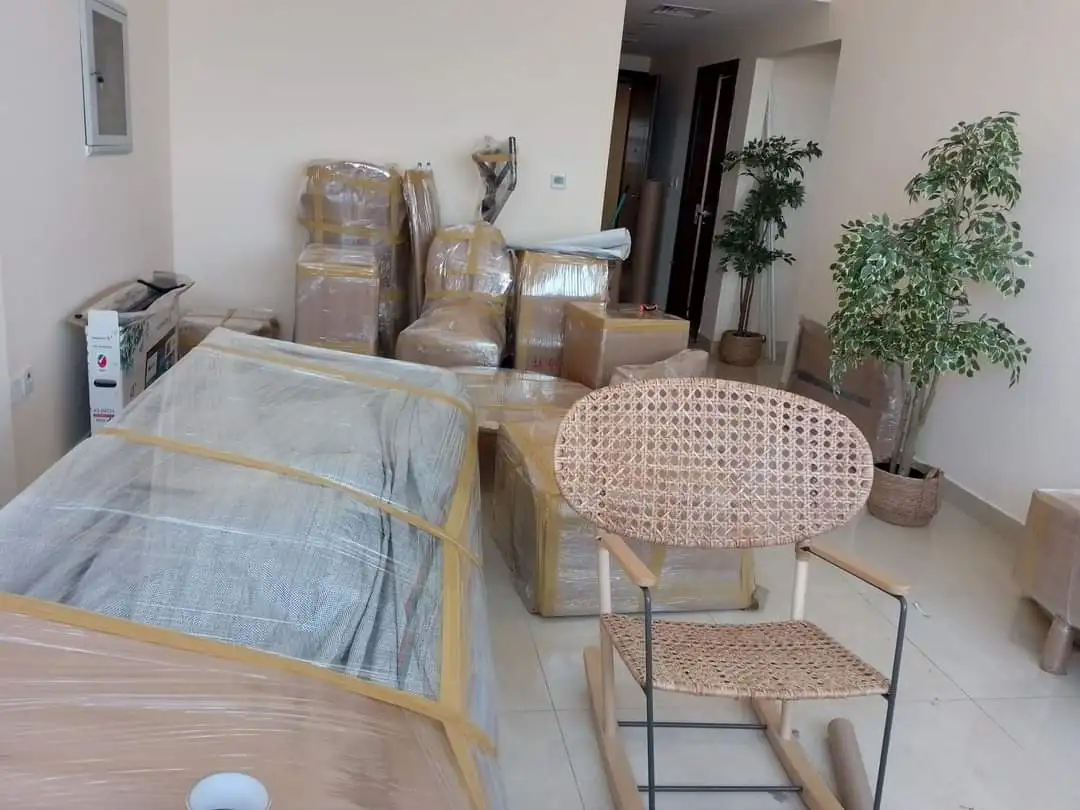
You're in your new apartment. Boxes everywhere. The movers left three hours ago. And now begins the part of moving in Dubai that nobody warns you about: the address update marathon. Over the next 2–4 weeks, you'll update your address across at least eight different systems, each with its own requirements for what counts as "proof" that you actually live where you say you live.
The frustrating part isn't any single update — each one takes 15–30 minutes. It's that they have to happen in a specific sequence because each institution wants a document that's only available after you've completed the previous step. Get the order wrong and you'll waste days going back and forth.
The Correct Sequence (Don't Skip Steps)
This is the order that works. We've helped thousands of families through this process, and deviating from this sequence creates chicken-and-egg problems:
- Ejari registration (Day 1–2)
- DEWA connection/transfer (Day 1–3)
- Emirates ID address update (Week 1–2)
- Bank address change (Week 1–2)
- Employer notification (Week 1)
- School address update (Week 1–2)
- Insurance address update (Week 2)
- Driving license address (When Emirates ID is updated)
Ejari comes first because almost everything else requires it. DEWA comes alongside because some banks want a DEWA bill. Emirates ID is next because your bank may require the updated ID. Each step unlocks the next.
Step 1: Ejari Registration — The Foundation Document
Ejari is Dubai's tenancy registration system, and your Ejari certificate is the single most important proof of address document in the emirate. Banks want it. DEWA wants it. Your employer's HR department wants it. Register it the day you sign your tenancy contract.
How to register: Through the Dubai REST app (fastest), any Amer centre, or some real estate brokers who offer registration services. You'll need your tenancy contract, tenant's passport and visa copies, landlord's passport copy (or company documents if corporate landlord), and the title deed of the property.
Cost: AED 220 through the Dubai REST app (AED 175 registration + AED 45 innovation fee). Amer centres charge AED 220–275 depending on the location.
Timeline: Instant if done through the app and all documents are ready. Amer centres issue the certificate same-day.
Keep a PDF copy on your phone. You'll pull it up at least five times in the next two weeks.
Step 2: DEWA Connection or Transfer
If you're transferring an existing DEWA connection from your old address, it's a straightforward process through the DEWA app or website. Transfer takes 1–2 working days.
New connections require your Ejari certificate, passport, visa, and Emirates ID. There's a security deposit: AED 2,000 for apartments, AED 4,000 for villas (refundable when you close the account). Activation happens within 24 hours of application.
Why this matters for proof of address: your first DEWA bill (issued monthly) becomes a secondary proof document. Some banks and government services accept DEWA bills when they don't accept Ejari, and vice versa. Having both gives you coverage for any situation.
Step 3: Emirates ID Address Update
This is the step most people forget — or don't know exists. When you move to a new address in Dubai, you're legally required to update your Emirates ID residential address within 30 days.
How to update: Through the ICP Smart Services app or website (Federal Authority for Identity, Citizenship, Customs and Port Security). Select "Amend Data" and update your residential address. You'll need to upload a copy of your new Ejari certificate.
Cost: AED 50–70 for the amendment request.
Timeline: Processing takes 3–7 working days. You receive a notification when the update is complete. You don't get a new physical card for just an address change — the digital record is updated.
Technically, failing to update creates problems only when you next interact with a government service that checks your address (visa renewal, driving license renewal, bank compliance checks). But why create future headaches? Do it in week one.
Step 4: Bank Address Change
Every bank in Dubai has different requirements and processes for address changes. Here's what we've seen across the major banks:
Emirates NBD: Update through the mobile app under "Profile Settings." Accepts Ejari certificate as proof. No branch visit needed. Processed within 24–48 hours.
First Abu Dhabi Bank (FAB): Requires a branch visit for address changes in most cases. Bring your Ejari and a recent DEWA bill. Some branches accept just Ejari. Processed within 3–5 working days.
HSBC: Update through online banking or the app. Accepts Ejari or utility bill. Processed within 5–7 working days. They may call to verify.
Dubai Islamic Bank (DIB): Branch visit with Ejari. Processed same day at the branch.
Mashreq: Mobile app update available. Accepts Ejari. Processed within 48 hours.
RAKBANK: Call centre or branch. Ejari required. 2–3 working days.
If you have multiple bank accounts (current account, credit card with a different bank, savings account), update each one separately. Credit card statements often go to a different address than your bank correspondence — check and update both.
Why it matters: banks use your address for KYC (Know Your Customer) compliance. An outdated address can trigger account reviews or blocks during periodic compliance checks — usually at the worst possible time, like when you're trying to process a large transaction.
Step 5: Employer Notification
Notify your company's HR department within the first week. They need your updated address for:
- Insurance records: Your employer-provided health insurance file includes your residential address. Some insurers use it for network hospital eligibility.
- Emergency contacts: If something happens at work, your employer should know where you live.
- Visa records: Your employment visa file at MOHRE includes your residential address. Some companies update this proactively; others don't bother until visa renewal. Ask your HR to update it.
- Transport allowance: If your company provides a transport or housing allowance calculated by location, the new address might change the amount.
A simple email to HR with your new address and an attached Ejari certificate handles this in most companies.
Step 6: School Address Update
If you have children in school, this is time-sensitive — especially if you use the school bus. Bus routes are assigned by residential area. A move from Downtown to Mirdif means your child's bus stop changes entirely, and the school needs at least 2–3 weeks to arrange the new route.
Contact the school registrar (not just the bus coordinator) because the address change affects:
- Bus route assignment
- Emergency contact address
- Student records (required by KHDA for regulated schools)
- Report card and correspondence delivery
Some schools charge a bus route change fee of AED 200–500 if you move mid-term. Check your transport contract before moving to avoid surprises.
Step 7: Insurance Address Update
Your employer-provided health insurance is updated through HR (step 5). But if you have separate insurance policies, update each one:
Home contents insurance: Your policy is tied to a specific address. If you've moved and haven't updated, any claim at the new address could be denied. Contact your insurer within 7 days of moving. Most accept a phone call or email with the new Ejari.
Car insurance: While car insurance isn't address-specific, some insurers use your residential postcode for risk assessment. Updating can sometimes reduce your premium (moving from a high-theft area to a gated community, for example).
Life insurance: Update your residential address for correspondence. This is especially important for international life insurance policies where address determines jurisdiction.
Step 8: Driving License (Linked to Emirates ID)
Your Dubai driving license address is linked to your Emirates ID. Once you update your Emirates ID (step 3), the driving license record updates automatically in the RTA system. No separate action needed.
However, if you're pulled over and your physical Emirates ID shows your old address, traffic police won't care — they check the digital record. The printed card address becomes outdated but isn't a legal issue until your next ID renewal.
The International Obligations Most People Forget
If you maintain financial or legal ties to your home country:
- Home-country bank: If you kept a bank account open back home, some institutions want your current overseas address. Especially relevant if the account generates correspondence for tax purposes.
- Embassy registration: Many embassies and consulates recommend citizens register their residential address. The US Embassy has the STEP program, UK has the Living Abroad registration, Australian DFAT has the Smart Traveller system. Update these — in an emergency (natural disaster, political crisis), your embassy uses this information.
- Mail forwarding: If you still receive mail at your old Dubai address, contact your building reception and arrange forwarding. Emirates Post offers redirection services for AED 100/month, but honestly, most important correspondence in Dubai is digital now.
The Landlord Reference Letter: Get It While Moving Out
This isn't a proof of address document per se, but it's related and important. Some future landlords ask for a reference from your previous landlord as part of the tenant screening process. Request this letter before you leave your old property — it should confirm your tenancy dates, that you paid rent on time, and that you left the property in good condition.
Getting this letter is easy while you still have a relationship with your old landlord. Trying to get it six months later when they've moved on and rented to someone else? Much harder.
SAMA Movers' Post-Move Document Checklist
We include a printed post-move document checklist with every relocation — a simple one-page sheet listing the eight updates, what each institution requires, and estimated timelines. Because after a day of moving boxes, the last thing you need is to figure out the Ejari-DEWA-Emirates ID sequence from scratch. Book your move and we'll handle the heavy lifting — you handle the paperwork.
Frequently Asked Questions
What is the most important proof of address document in Dubai?
Ejari certificate. It's accepted by virtually every institution in Dubai — banks, government services, schools, and employers. Register your new Ejari immediately after signing your tenancy contract through the Dubai REST app (AED 220). Almost every other address update requires the Ejari as supporting documentation, making it the essential first step.
Do I need to update my Emirates ID when I move?
Yes. UAE law requires you to update your Emirates ID residential address within 30 days of moving. Do it through the ICP Smart Services app by selecting "Amend Data" and uploading your new Ejari certificate. Cost is AED 50–70 and processing takes 3–7 working days. You don't receive a new physical card — just the digital record updates.
Which Dubai banks accept Ejari as proof of address?
Emirates NBD, Mashreq, HSBC, and DIB all accept Ejari certificates for address updates. FAB often also wants a DEWA bill in addition to Ejari — policies vary by branch. RAKBANK accepts Ejari. For the smoothest process, keep both your Ejari certificate and a recent DEWA bill available when updating your bank address.
How long does it take to update all addresses after moving in Dubai?
Expect 2–4 weeks to complete all updates if you follow the correct sequence: Ejari (day 1), DEWA (days 1–3), Emirates ID (week 1–2), banks (week 1–2), employer and school (week 1–2), and insurance (week 2). The bottleneck is usually the Emirates ID update, which takes 3–7 working days to process and may be needed for certain bank updates.