The AED 800 Question: Is Professional Packing Worth It?
You've booked your movers. The truck is scheduled. Then someone asks: "Do you want packing services too?" And you're staring at an extra AED 800 on the quote wondering if it's a luxury or a necessity.
Having packed thousands of apartments across Dubai, we can tell you the answer depends on three things: how much stuff you have, how fragile it is, and how much time you don't have. For a single guy with a studio full of IKEA furniture, self-packing makes sense. For a family with a 3-bedroom apartment full of glassware, art, and a kid's room that looks like a toy factory exploded — professional packing pays for itself in prevented breakage alone.
Here's exactly what you get at each level, what it costs, and when each option makes sense.
Three Levels of Packing: Full, Partial, and Self
Full-Pack Service
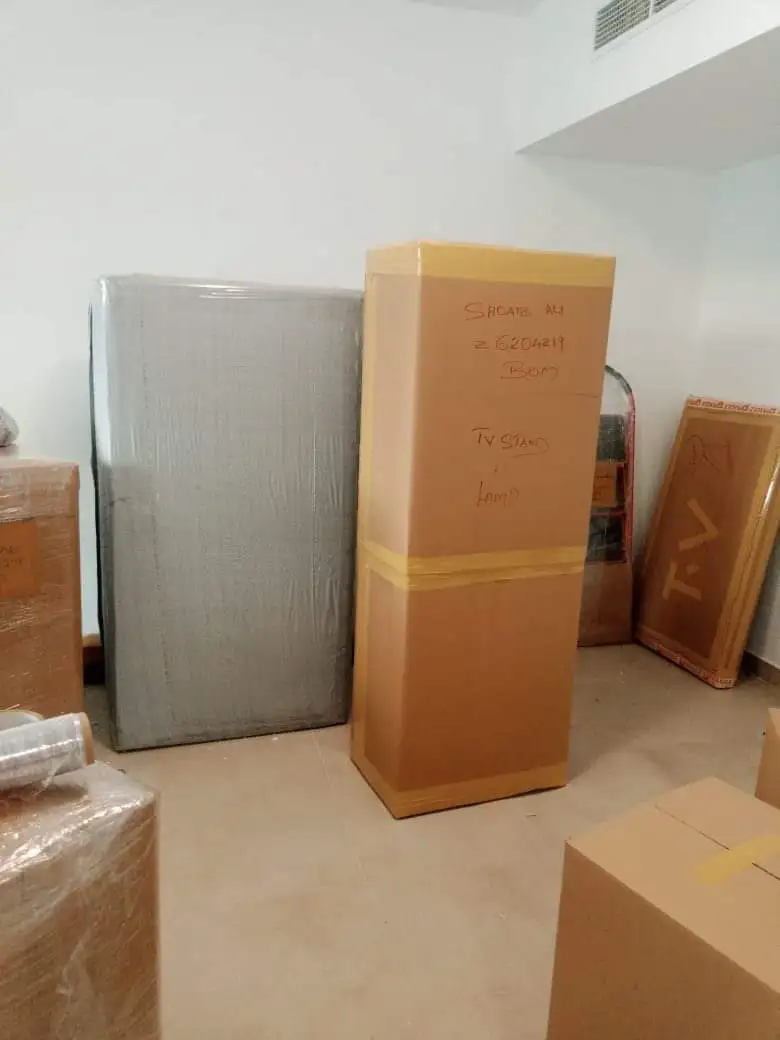
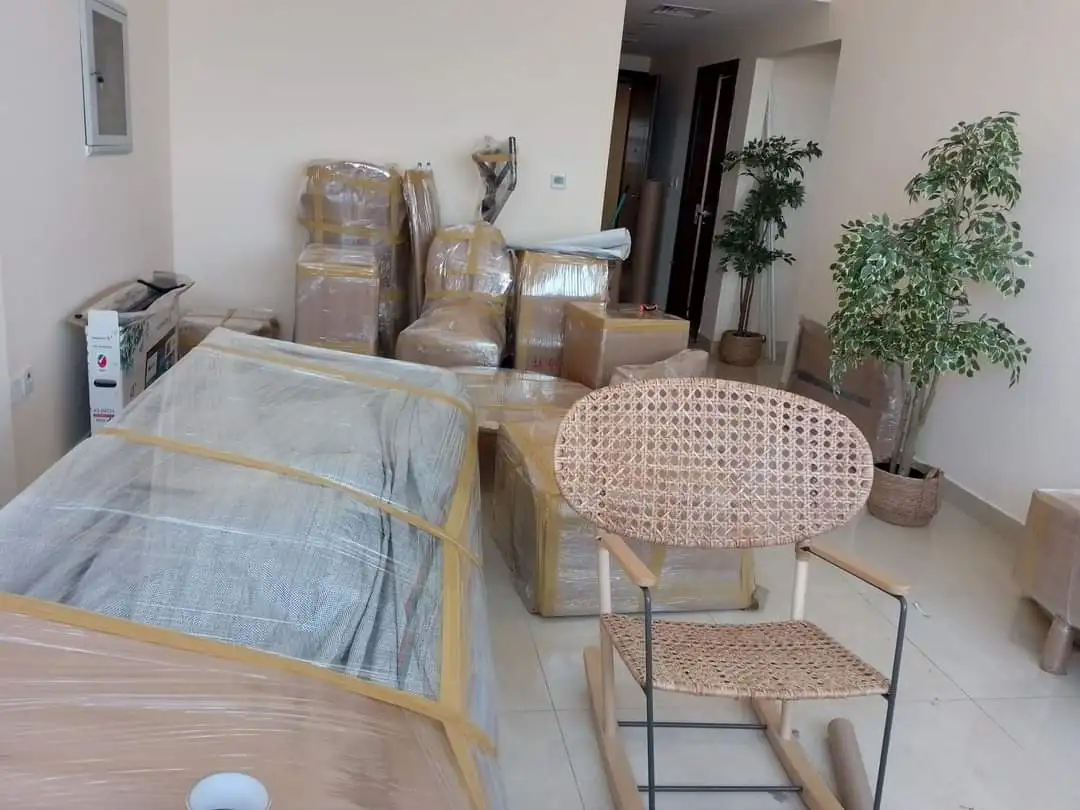
We pack everything. Every dish, every book, every framed photo. Your wardrobe goes into wardrobe boxes with hanging rods intact. Mattresses get vacuum-sealed covers. Electronics are wrapped in anti-static bubble wrap. Fragile items get custom crating if they're unusually shaped.
Full-pack is hands-off. You wake up in the morning, our packing crew arrives, and by the afternoon everything is boxed, labelled by room, and ready to load. You don't touch a thing.
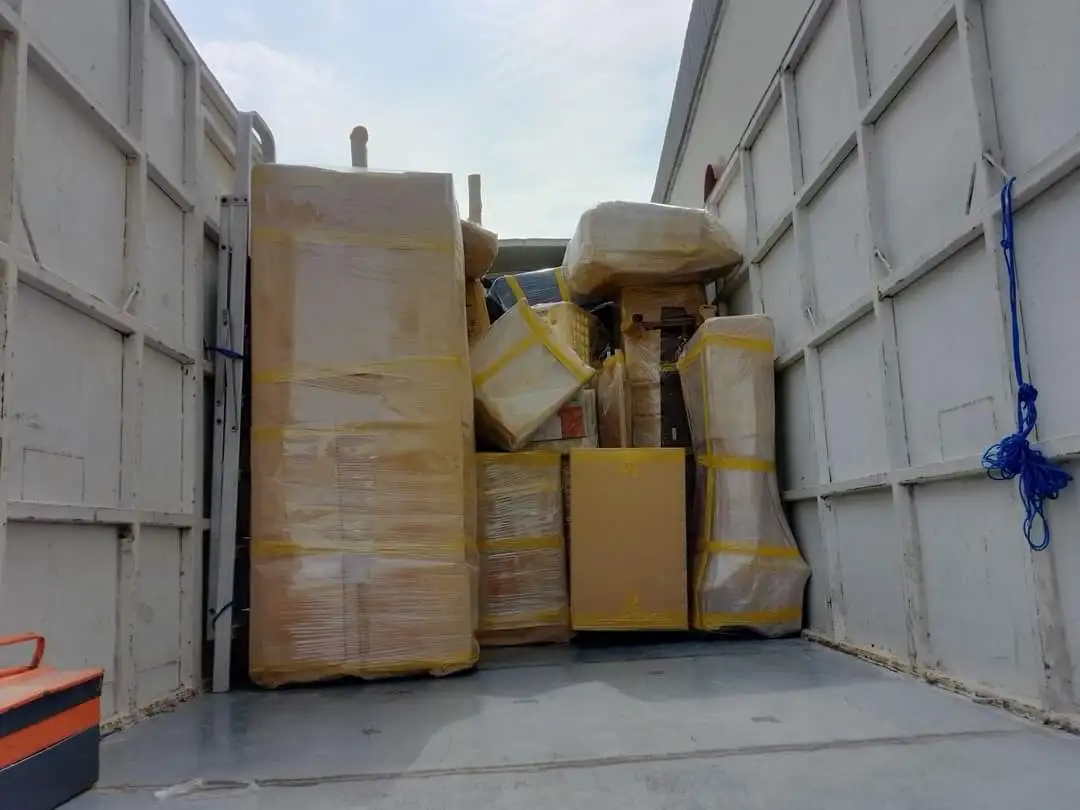
Typical timeline: 4–8 hours depending on property size. We usually send a packing crew the day before the move so everything's ready when the moving truck arrives the next morning.
Partial-Pack Service
You pack the easy stuff — clothes, books, toiletries, pantry items. We pack the hard stuff: kitchen items, glassware, artwork, electronics, anything fragile or awkwardly shaped. Most people choose partial-pack because they want to handle personal items themselves but don't trust themselves with grandma's china set.
Typical timeline: 2–4 hours for the professional packing portion. You'll need to have your personal items packed before our crew arrives.
Self-Pack (Moving Only)
You handle all packing. We show up, load the boxes and furniture, transport, and unload. This is the cheapest option, but comes with a significant caveat: the crew can't see inside a sealed box, so how well each one travels comes down to how you packed it — the strength of the box, the wrapping, and whether the voids are filled.
That's not a scare tactic — it's how boxes work. Self-packed items are transported at the customer's risk. If you're moving a studio full of clothes and basic furniture, self-packing is straightforward. If you've got crystal vases and a 65-inch TV, think twice.
Packing Costs by Property Size
| Property Size | Full-Pack | Partial-Pack | Materials Only |
|---|---|---|---|
| Studio | AED 300–500 | AED 150–300 | AED 100–150 |
| 1-Bedroom | AED 500–800 | AED 300–500 | AED 150–250 |
| 2-Bedroom | AED 800–1,200 | AED 500–800 | AED 250–400 |
| 3-Bedroom | AED 1,200–1,800 | AED 800–1,200 | AED 400–600 |
| Villa (3-4 BR) | AED 1,500–3,000 | AED 1,000–1,800 | AED 500–800 |
Materials-only means we supply the boxes, tape, bubble wrap, and wardrobe boxes, but you do the packing yourself. Useful if you have time and want to save.
What's Actually Inside Those Boxes
People often ask what materials professional packers use. Here's the standard kit for a 2-bedroom apartment full-pack:
- 25–35 corrugated cardboard boxes (small, medium, large)
- 4–6 wardrobe boxes with hanging rails — clothes go in on hangers, come out on hangers
- 2 mattress covers (vacuum-sealed for protection and compression)
- 50+ metres of bubble wrap — for dishes, glasses, electronics
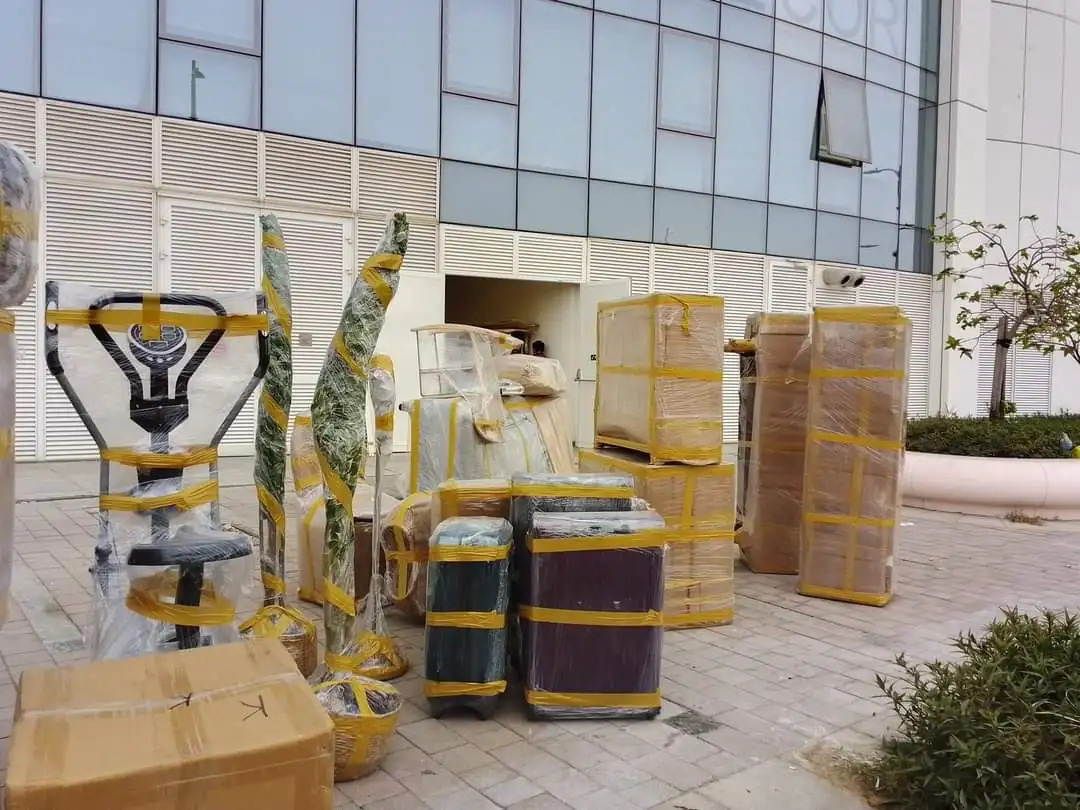
- 20+ metres of stretch film — wraps around furniture to prevent scratches
- Packing tape, markers, and labels — every box gets a room label and content description
- Specialty wrapping: anti-static wrap for electronics, acid-free tissue for artwork, foam corners for mirrors and TVs
For fragile or high-value items, we build custom wooden crates. A large framed painting or a glass-top dining table gets a fitted crate rather than standard cardboard. Crating adds AED 100–300 per item, and the piece travels braced inside a rigid frame built to its exact dimensions.
The Kitchen: Where Professional Packers Earn Their Fee
If any room in your home justifies professional packing, it's the kitchen. Think about what's in there: glasses, plates, ceramic bowls, blender jars, spice racks, sharp knives, heavy pots. It's the room with the highest breakage rate during self-packing.
Our packing method for kitchens:
- Each plate gets a layer of bubble wrap and a foam separator
- Plates are packed vertically (like records, not stacked flat) — vertical packing reduces breakage by roughly 50%
- Glasses are individually wrapped and placed in cell dividers
- Knives go into a blade guard or rolled in protective material
- Heavy pots are packed in small boxes with padding underneath
A kitchen in a typical 2-bedroom apartment takes our crew about 90 minutes. Doing it yourself? Budget 3–4 hours and a lot of bubble wrap. For more DIY techniques, check our packing tips guide.
What to Always Pack Yourself
Regardless of which level of packing service you choose, some items should stay in your personal care:
- Documents: Passport, Emirates ID, tenancy contract, bank documents, birth certificates
- Jewellery and valuables: These never belong on a moving truck. Carry them yourself.
- Medications: Keep them in a bag you bring in your car, not the moving truck.
- Cash: Never pack cash in boxes.
- Laptop and work essentials: If you need to work on move day (and you probably will), keep your laptop bag with you.
- First-night box: Pajamas, toothbrush, phone charger, kettle, coffee, snacks. You don't want to unpack 30 boxes to find your phone charger at midnight.
When Professional Packing Makes Financial Sense
Here's the honest calculation. A 2-bedroom full-pack costs about AED 1,000. A single broken TV costs AED 2,000–4,000 to replace. A cracked glass dining table? AED 3,000+. One set of fine dinnerware? AED 1,500.
Professional packing makes financial sense when you have fragile, high-value items. It makes time-sense when you're working right up until move day and can't spend an entire weekend wrapping dishes. It also matters if you are arranging your own cover, because most policies expect professional packing — see our moving damage protection guide.
But if you're a studio renter with clothes, a bed, and some IKEA shelves? Self-pack. Save the AED 300.
How to Book Packing Services
Our packing service can be booked standalone (we pack, you move yourself) or bundled with your move. Bundled pricing is cheaper — typically 15–20% less than booking packing and moving separately — because we can send the packing crew the day before and coordinate the schedule.
Request a free estimate and specify whether you want full-pack, partial-pack, or materials-only. We'll adjust the quote accordingly.
Frequently Asked Questions
How much do packing services cost in Dubai?
Professional full-pack services in Dubai range from AED 300 for a studio to AED 3,000 for a large villa. A typical 2-bedroom apartment costs AED 800–1,200 for full packing. Partial-pack (fragile items only) runs about 40% less. These prices include all materials: boxes, bubble wrap, wardrobe boxes, and stretch film.
Should I pack fragile items myself or leave them to the packers?
Pack the non-fragile items yourself if you want to save: clothes, books, linens and toiletries travel well in any sturdy box. Self-packed items are transported at the customer's risk. Leave glassware, artwork, electronics and awkward shapes to the packers, who bring the right materials — cell dividers, foam corners, anti-static wrap, custom crates — and wrap each piece individually. A crew also packs a typical 2-bedroom kitchen in about 90 minutes, against 3–4 hours doing it yourself.
How far in advance should I book packing services?
Book packing services at least one week before your move date. During peak season (September–October, January–February), book two weeks ahead. Most professional packers schedule the packing for the day before the move so boxes are ready when the moving truck arrives the next morning.
What items should I not let packers handle?
Keep passports, Emirates ID, tenancy contracts, bank documents, jewellery, cash, medications, and your laptop with you personally. Jewellery and cash never belong on a moving truck. Pack a "first-night box" with essentials — charger, toiletries, change of clothes — and carry it in your own car.