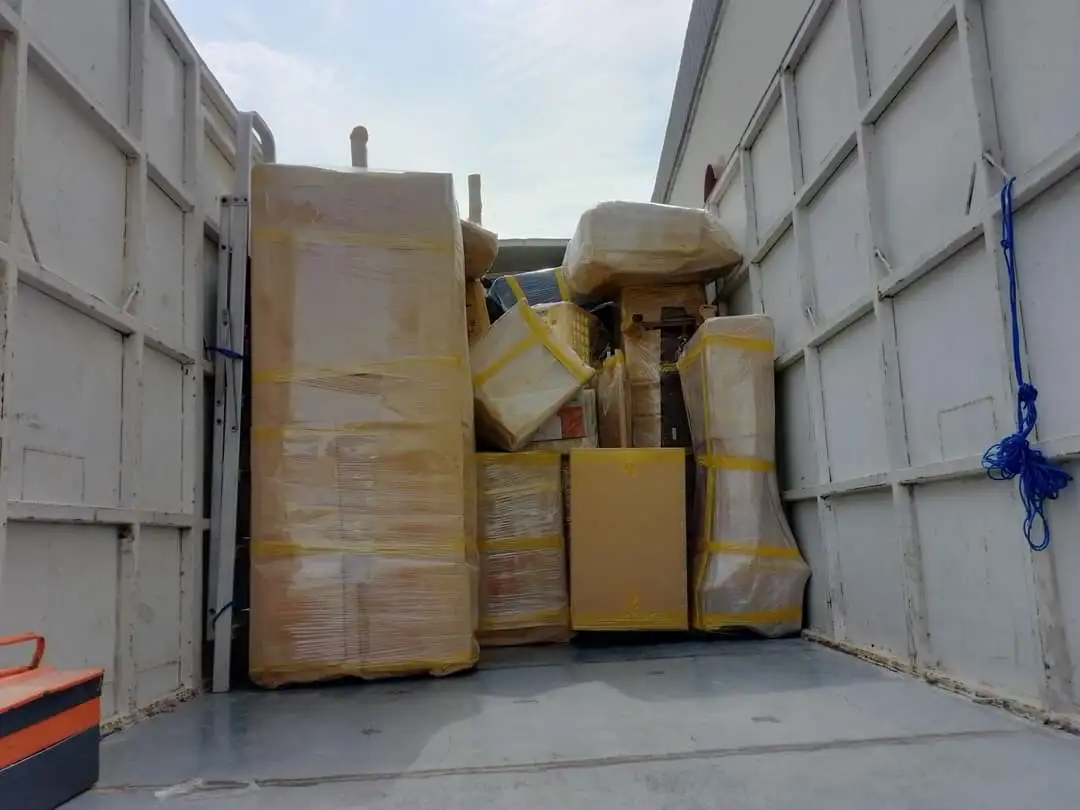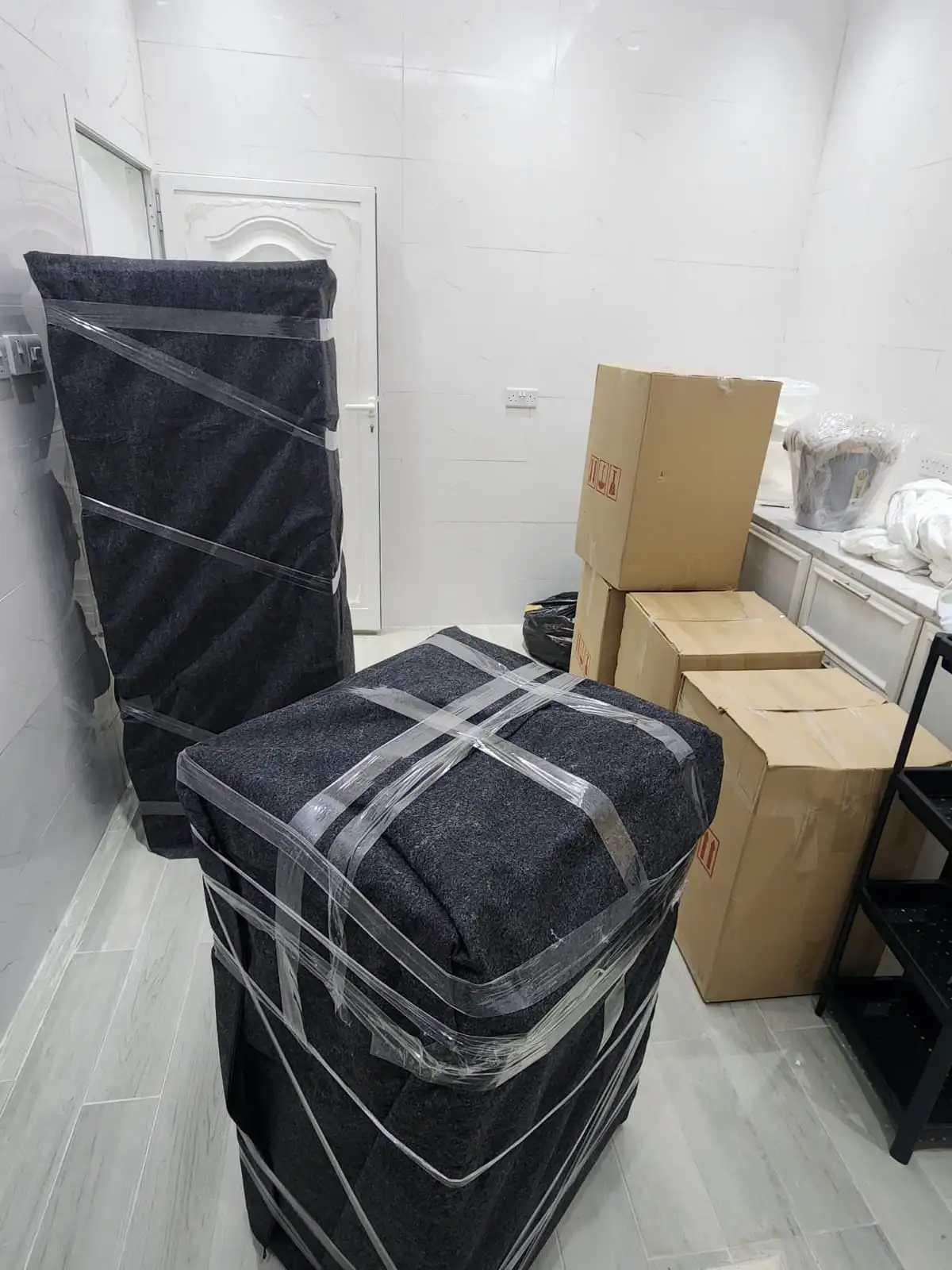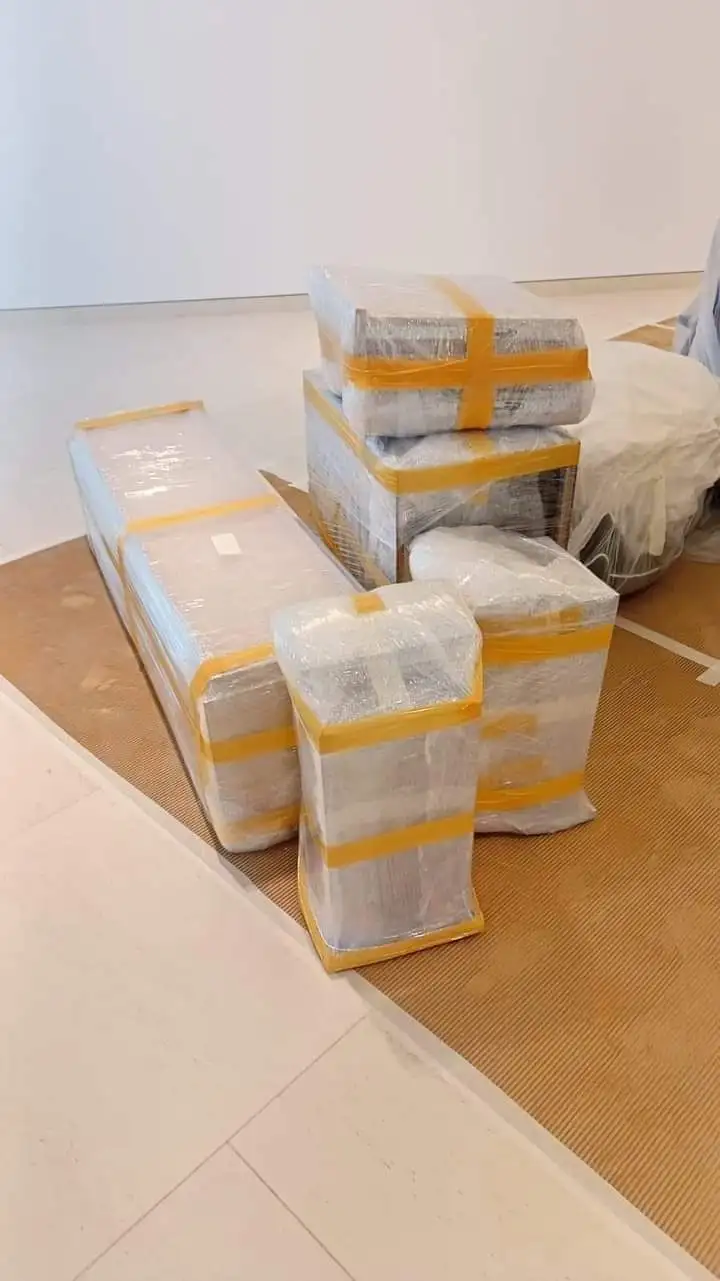
Half the Lebanese arrivals we move land in JLT within their first 18 months. Almost nobody plans it that way at the start. They arrive thinking Dubai Marina or Downtown, see the rents, ask around at the bakery on a Friday morning, and end up signing for a 2-bed in Cluster N or Cluster O. The community pull is real, even when the WhatsApp groups won't admit it.
SAMA has handled just over 180 Beirut-to-Dubai relocations in the past two years. Below is what we've learned about where Lebanese expats actually settle, what to ship versus leave behind, and the bits of life — Arabic-medium schools, mahalech grocers, money transfer to Lebanon — that don't show up in generic relocation guides.
Where the community actually lives
The Wikipedia line is that around 150,000 Lebanese live in the UAE. In Dubai itself the concentration is genuinely concentrated — not spread evenly across the city. Four pockets dominate.
JLT (Jumeirah Lake Towers) is the unofficial capital. Clusters J, N, O, and X have building WhatsApp groups in Arabic. The two-bed rents sit at AED 130,000 to 165,000 depending on view and tower age — still 30% cheaper than equivalent Marina towers, with the metro on the doorstep. Lake Terrace, MAG 214, and Saba Tower 1 are the three buildings we see Lebanese families requested most often.
Al Barsha South and Al Barsha 1 draw families who want villa-style space and an international school cluster. Lebanese International School in Al Barsha South 1 is the obvious anchor, but Jumeirah English Speaking School (JESS), GEMS World Academy, and Dubai American Academy are all within a 12-minute drive. Villa rents are heavier — AED 220,000 to 320,000 for a 4-bed — but it's where the doctors, lawyers, and senior corporate types tend to settle once kids hit primary age.
Marina and JBR attract single professionals and DINK couples on banking and consulting salaries. The Lebanese density is lower per building, but the cafe scene on The Walk does a passable Hamra impression, especially Sunday brunch.
Mirdif is the dark horse. Older Lebanese families who moved to Dubai in the late 1990s settled there before the new metro line existed. Mirdif Hills and Uptown Mirdif still see steady internal moves within the community — uncle leaves, niece arrives, same villa changes hands in March every other year.
If you want a one-line shortcut: JLT for first year, Al Barsha when kids start school, Marina if you're under 35 and single. That's the migration we watch happen on repeat.
Schools — the Arabic question
Most Lebanese parents arrive determined to keep their kids' Arabic strong. The bilingual French-Arabic-English schools dominate this conversation.
Lycée Libanais Verdun Dubai in Nad Al Sheba follows the Lebanese curriculum with French as the main instruction language. Annual fees run AED 28,000 to 52,000 across grades. It's small (under 800 students) and competitive on the waitlist — apply 8 to 12 months ahead.
International School of Choueifat in Al Sufouh runs the SABIS curriculum that Beirut families recognise. AED 35,000 to 65,000.
Dubai International Academy Emirates Hills and the IB schools in Al Barsha take a different angle — full English/IB with Arabic as a subject only. Many Lebanese families end up here for the credentialing, not the language.
If Arabic-medium matters more than Western curriculum, look at Al Salam Private School in Al Quoz — Lebanese-friendly, lower fees, smaller cohorts.
What to ship from Beirut, what to leave
This is where we keep saving people money. The reflex is to ship everything. The math rarely works.
Ship: Family heirlooms, art with sentimental value, professional kitchen equipment (good knives, copper pots), a library if it's over 200 books, your French press and stovetop espresso maker — those don't really exist in Dubai shops at the quality you're used to.
Don't ship: Beds, sofas, dining tables. Lebanese furniture is often heavy solid wood, expensive to ship, and rarely fits Dubai apartment dimensions. A 40ft container Beirut to Jebel Ali runs USD 4,500 to 6,800 depending on consolidation versus dedicated. For that money you can re-buy decent IKEA-and-better basics on arrival.
Definitely don't ship: Pressure cookers older than five years (they fail inspection at Jebel Ali), any drone (Dubai requires UAE-registered drones), and any electronics older than 10 years — Dubai customs sometimes treats older items as 'used appliances' and adds a duty.
For families bringing a car, our car shipping breakdown covers RoRo versus container costs from Beirut port specifically.
Money transfer to Lebanon — the part nobody plans for
Honestly? This is the conversation we have most often with newly arrived clients. Lebanon's banking sector has been broken since 2019. Sending money home means a fresh approach.
The reliable corridors right now are OMT and Western Union pickup in fresh-dollar cash at Lebanon-side branches. Transfer fees from licensed UAE exchange houses (Al Ansari, Lulu Exchange, UAE Exchange) run roughly AED 25 to 60 per transaction depending on amount and corridor. Bank-to-bank LBP transfers are essentially worthless given the currency situation — most arriving Lebanese set up an AED-denominated UAE savings account immediately and stop touching the Lebanese banking system entirely.
One practical note: open your Emirates NBD or ENBD-X account in the first two weeks. Bring your Lebanese passport, UAE residence visa, Emirates ID receipt, and a salary certificate. The process takes about 4 working days. Without it, your first month of money management is harder than it needs to be.
The everyday-life logistics
A few practical anchors that take new arrivals a year to find on their own:
- Levantine groceries: Carrefour Mirdif has the best za'atar selection. Al Maya in JLT does proper labneh. For the real deal — Bekaa Valley olive oil, mountain saj bread — try Tamimi Market in Al Barsha or the Sunday market at the Lebanese consulate compound.
- Bakeries: Zaatar w Zeit is the chain. The independent worth driving for is Furn Saj in Karama — opens at 6am, sells out of fresh mankousheh by 9.
- Doctors: Lebanese GPs cluster around Mediclinic Mirdif and American Hospital Dubai. Ask for Dr. Khoury or Dr. Hayek by reputation.
- Friday brunch: Em Sherif in Address Dubai Mall is the splurge. Babel Marina is the regular. Reem al Bawadi on Jumeirah Beach Road is where families with kids actually go.
Move logistics — the SAMA part
Two ways Lebanese clients usually break their move budget:
Overspending on furniture shipping. A typical Beirut family ships a 20ft container that costs more than the replacement value of what's inside it. We've started telling clients to send us photos of their existing furniture before they book the container. Roughly 60% of the time, we recommend they ship half and re-buy half on arrival.
Trusting the cheapest local mover for the Dubai-side delivery. The destination handler matters more than the shipping line. If your container clears Jebel Ali on a Thursday and the local mover doesn't have a crew ready Saturday, you're paying daily port storage of AED 350 to 600 until they get to you. Our international moving service handles both sides — booking the line and the destination delivery as one quote so the dates lock up.
For apartment moves once you're settled in JLT or Al Barsha, our apartment movers team knows which JLT towers require service-elevator booking 72 hours in advance (Lake Terrace and Almas are the strictest). Villa families in Al Barsha should look at our villa moving page for the larger crew package.
Frequently Asked Questions
Where do most Lebanese live in Dubai?
The four main concentrations are JLT (especially clusters J, N, O, and X), Al Barsha 1 and Al Barsha South, Dubai Marina, and Mirdif. JLT is the densest by population — the unofficial Lebanese first stop. Al Barsha is where families settle once schools come into the picture. Mirdif is older established Lebanese households from the 1990s wave.
Is Dubai expensive compared to Beirut?
Direct rent comparisons aren't useful because the Beirut market is dollarised on the ground but officially in collapsed LBP. In practical terms, expect a 2-bed JLT apartment at AED 130,000 to 165,000 (USD 35,000 to 45,000) per year, paid in 1 to 4 cheques. Food at Lulu or Carrefour is roughly 20% above Beirut Bachoura prices for equivalent items. Schools are the biggest line item — AED 30,000 to 65,000 per child per year.
Are there Lebanese schools in Dubai?
Yes. Lycée Libanais Verdun Dubai in Nad Al Sheba follows the Lebanese curriculum in French-Arabic-English. Lebanese International School in Al Barsha South 1 is the larger sister school. International School of Choueifat in Al Sufouh runs the SABIS curriculum that many Beirut families recognise. Waitlists run 8 to 12 months, so apply before you book the move date.
How do I send money back to Lebanon from Dubai?
Use a licensed UAE exchange house — Al Ansari, Lulu Exchange, or UAE Exchange — and send via OMT or Western Union for fresh-dollar pickup at Lebanese branches. Bank-to-bank LBP transfers are not viable given the ongoing banking sector situation. Fees per transaction run AED 25 to 60. Most Lebanese arrivals open an AED-denominated UAE account in their first two weeks and route everything through that.
Planning a Beirut-to-Dubai move? SAMA's done 180+ of them. Get an honest assessment of what to ship versus leave, locked-in destination delivery, and a quote that won't change at port. Request a relocation estimate or browse our JLT moving page for first-apartment specifics.